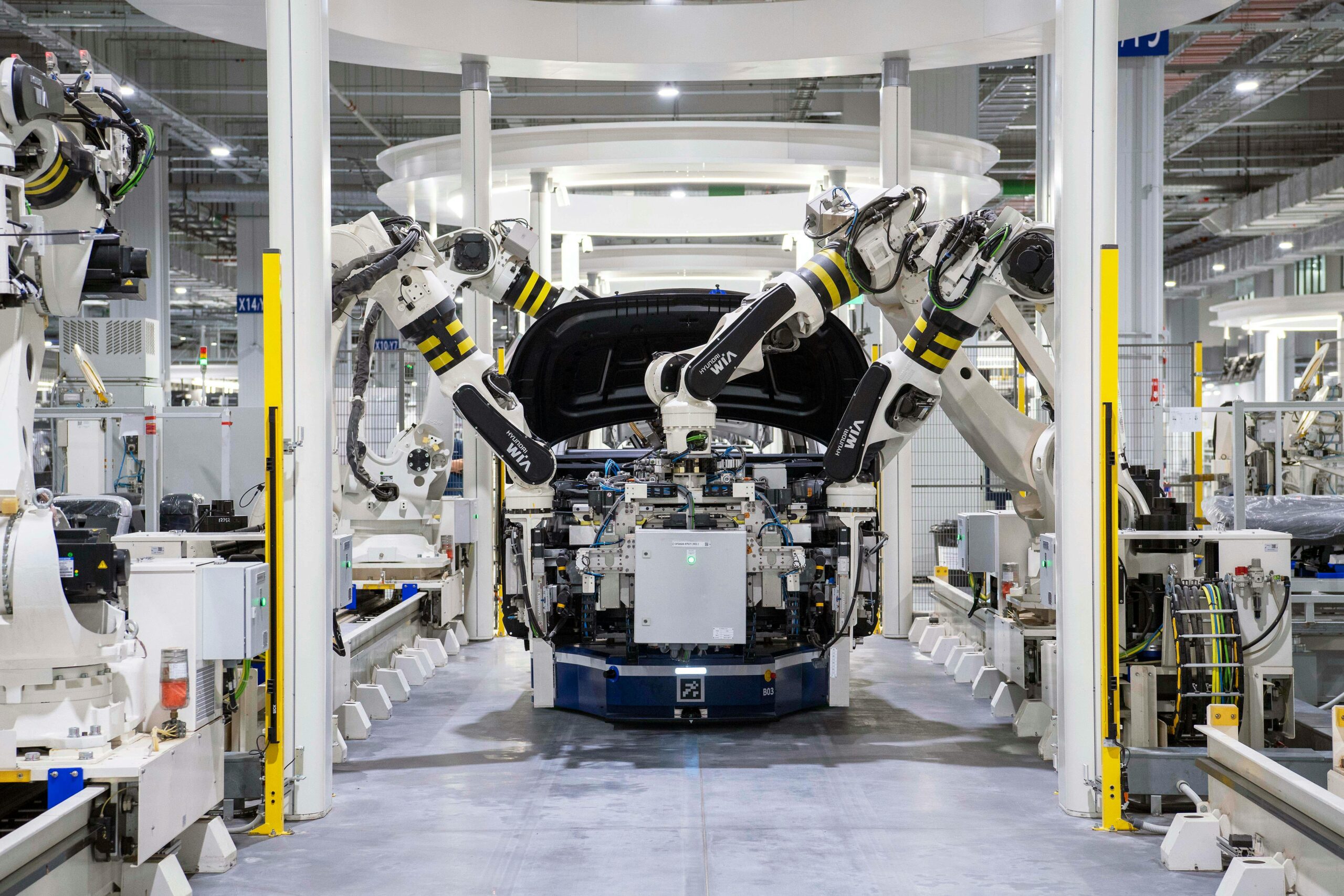
Parallel manufacturing is transforming how industries produce goods, enabling companies to boost productivity, reduce costs, and accelerate innovation in today’s competitive market.

🚀 Understanding the Parallel Manufacturing Revolution
The manufacturing landscape is experiencing a seismic shift. Traditional linear production methods, where each step depends on the completion of the previous one, are giving way to parallel manufacturing models that fundamentally reimagine how products come to life. This approach allows multiple processes to occur simultaneously, creating a production ecosystem that’s faster, more flexible, and remarkably efficient.
Parallel manufacturing represents more than just a procedural change—it’s a philosophical transformation in how we approach production. By breaking free from sequential constraints, manufacturers can leverage modern technology, workforce capabilities, and resource management strategies to create value in ways previously unimaginable.
The concept draws inspiration from parallel computing, where multiple processors handle different tasks concurrently. Similarly, parallel manufacturing enables different production stages, teams, and even entire facilities to work on various components simultaneously, converging at strategic points to create finished products with unprecedented speed and precision.
💡 Core Principles Driving Parallel Production
At its foundation, parallel manufacturing rests on several key principles that distinguish it from conventional approaches. Understanding these fundamentals helps organizations implement strategies that maximize efficiency and innovation potential.
Simultaneous Process Execution
The hallmark of parallel manufacturing is the ability to execute multiple production processes at the same time. Rather than waiting for one stage to complete before beginning another, teams can work on different components, assemblies, or product variations concurrently. This dramatically compresses production timelines and enables faster market response.
For example, while one team fabricates metal components, another can simultaneously develop electronic assemblies, and a third can work on packaging design. When these parallel streams converge, the result is a fully realized product in a fraction of traditional production time.
Modular Design Architecture
Parallel manufacturing thrives on modularity. Products designed with independent, interchangeable modules can be developed along separate parallel tracks. This approach not only accelerates production but also facilitates customization, as different module combinations create product variations without requiring entirely separate production lines.
This architectural thinking extends beyond physical products to include software integration, quality control checkpoints, and even supply chain management, creating a holistic ecosystem optimized for parallel execution.
🔧 Technologies Enabling Parallel Manufacturing Excellence
The parallel manufacturing revolution wouldn’t be possible without significant technological advances that support concurrent processes, real-time coordination, and intelligent resource management.
Digital Twin Technology
Digital twins create virtual replicas of physical production systems, allowing manufacturers to simulate, test, and optimize parallel processes before implementing them on the factory floor. These virtual models enable teams to identify bottlenecks, test different parallel configurations, and ensure seamless integration when multiple production streams converge.
By running parallel simulations, manufacturers can experiment with countless scenarios without disrupting actual production, leading to continuously refined processes that maximize efficiency and minimize waste.
Industrial Internet of Things (IIoT)
Connected sensors, machines, and systems form the nervous system of parallel manufacturing operations. IIoT devices provide real-time data on equipment status, production progress, quality metrics, and resource utilization across all parallel processes. This connectivity enables intelligent coordination and rapid response to changing conditions.
When parallel production streams are interconnected through IIoT infrastructure, manufacturers gain unprecedented visibility and control, allowing for dynamic adjustments that keep all processes synchronized and optimized.
Advanced Robotics and Automation
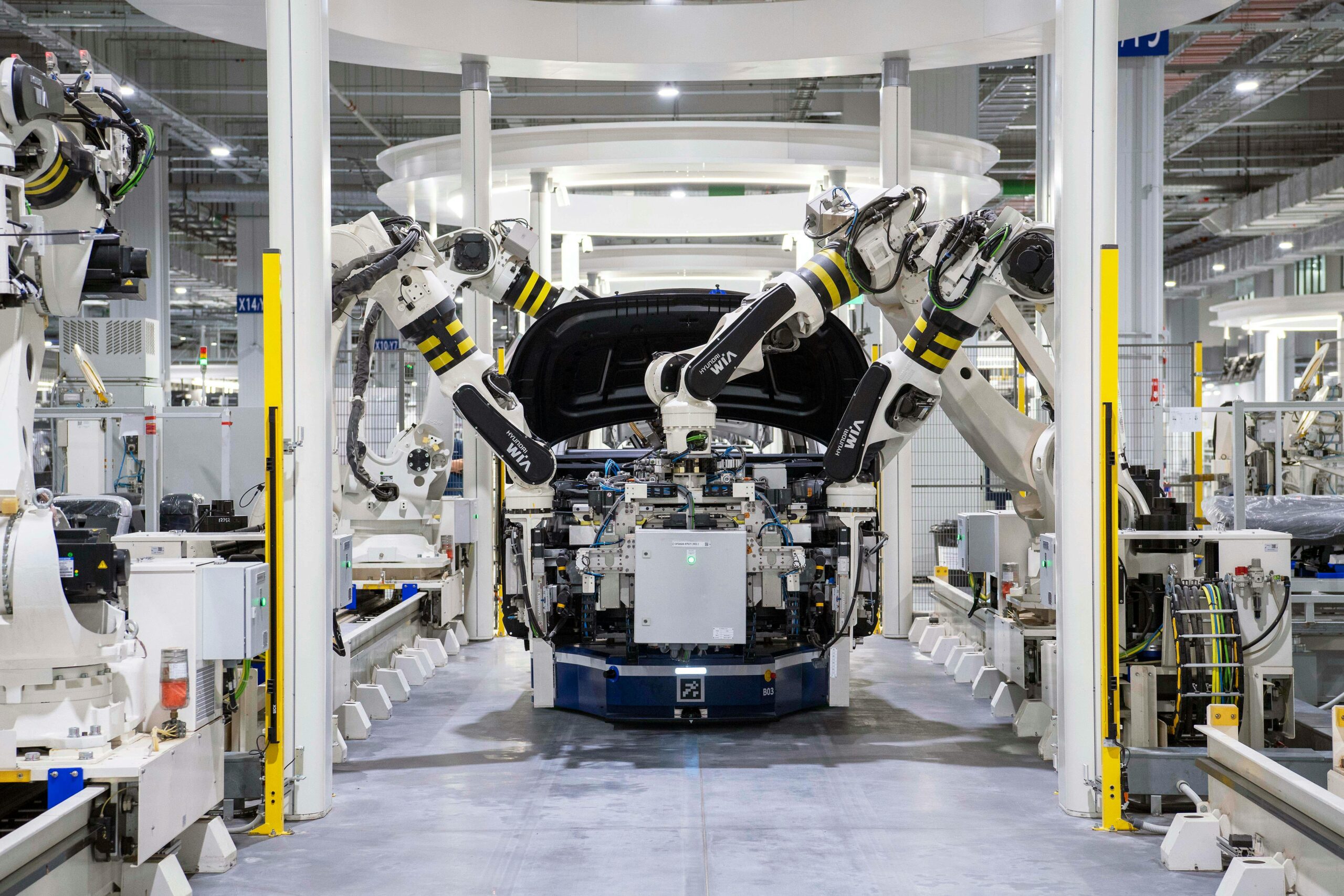
Modern robotics systems can handle multiple tasks simultaneously with precision and consistency that human workers cannot match. Collaborative robots work alongside human operators, handling repetitive tasks while humans focus on complex problem-solving and quality oversight.
In parallel manufacturing environments, robots can operate 24/7 across multiple production lines, maintaining consistent output and quality while human teams rotate between monitoring, maintenance, and innovation activities.
📊 Measurable Benefits Transforming Industry Performance
Organizations implementing parallel manufacturing models report substantial improvements across multiple performance dimensions. These benefits extend beyond simple efficiency gains to encompass strategic competitive advantages.
| Performance Metric | Traditional Manufacturing | Parallel Manufacturing |
|---|---|---|
| Time-to-Market | 12-18 months | 6-9 months |
| Production Flexibility | Limited | Highly Adaptive |
| Resource Utilization | 65-75% | 85-95% |
| Defect Rate | 3-5% | 1-2% |
| Innovation Cycles | Annual | Quarterly |
Accelerated Product Development Cycles
Perhaps the most dramatic benefit of parallel manufacturing is the compression of product development timelines. By running design, prototyping, testing, and initial production in parallel rather than sequentially, companies can bring innovations to market in half the time previously required.
This acceleration creates competitive advantages in fast-moving markets where being first matters significantly. Companies can respond to market trends, customer feedback, and competitive pressures with agility that traditional manufacturers simply cannot match.
Enhanced Customization Capabilities
Parallel manufacturing models excel at producing customized products at scale. By running multiple parallel production streams configured for different specifications, manufacturers can offer extensive customization without the cost penalties traditionally associated with small-batch production.
This capability is particularly valuable in industries where customer preferences vary significantly, such as automotive, consumer electronics, and fashion, where mass customization is becoming the expected standard rather than a premium option.
🌍 Industry-Specific Applications and Success Stories
Different industries have adapted parallel manufacturing principles to their unique contexts, creating sector-specific approaches that maximize relevant benefits while addressing particular challenges.
Automotive Manufacturing Transformation
The automotive industry has been an early and enthusiastic adopter of parallel manufacturing. Modern vehicle production involves thousands of components that can be manufactured simultaneously across global supply networks, then converged at final assembly facilities with remarkable precision.
Leading manufacturers now produce vehicle platforms where body fabrication, powertrain assembly, interior component production, and electronics integration all proceed in parallel. This approach has reduced vehicle development cycles from five years to under three while enabling unprecedented customization options for consumers.
Electronics and Consumer Technology
Consumer electronics companies leverage parallel manufacturing to manage incredibly complex products with hundreds of components sourced from multiple continents. Smartphones, tablets, and wearables involve simultaneous production of screens, processors, batteries, cameras, and countless other elements.
These parallel streams must converge with millimeter precision and perfect timing. The industry’s mastery of parallel manufacturing enables the rapid innovation cycles and competitive pricing that consumers now expect, with new product generations appearing annually or even more frequently.
Pharmaceutical and Medical Device Production
In pharmaceutical manufacturing, parallel production enables simultaneous drug development, clinical testing, and manufacturing preparation. While this requires careful regulatory management, it dramatically accelerates the journey from laboratory discovery to patient treatment.
Medical device manufacturers use parallel models to simultaneously develop device hardware, control software, sterilization protocols, and packaging systems. This integrated parallel approach ensures all elements mature together, reducing time-to-market for life-saving innovations.
⚡ Overcoming Implementation Challenges
While parallel manufacturing offers tremendous benefits, implementation requires careful planning and management of several significant challenges. Organizations that address these obstacles proactively position themselves for successful transformation.
Coordination Complexity
Managing multiple simultaneous production streams requires sophisticated coordination mechanisms. Without proper systems, parallel processes can become chaotic, with timing mismatches, quality inconsistencies, and resource conflicts undermining potential efficiency gains.
Successful implementations invest in robust project management systems, clear communication protocols, and real-time monitoring capabilities that provide visibility across all parallel activities. Digital platforms that integrate planning, execution, and feedback loops are essential infrastructure for parallel manufacturing success.
Workforce Skill Development
Parallel manufacturing demands different skill sets than traditional production. Workers need broader understanding of entire systems rather than deep specialization in single processes. They must collaborate across functional boundaries and adapt quickly to changing priorities as parallel streams evolve.
Organizations must invest in comprehensive training programs that develop these capabilities. Cross-functional teams, job rotation, and continuous learning cultures help build the workforce agility that parallel manufacturing requires.
Supply Chain Synchronization
Parallel manufacturing extends beyond factory walls to encompass entire supply networks. Multiple component suppliers must deliver with precise timing to support simultaneous production streams. A delay in any parallel track can disrupt the entire system.
This requires supply chain transformation, with real-time visibility, collaborative planning, and flexible logistics capabilities. Many organizations establish strategic partnerships with key suppliers, sharing information and coordinating production schedules to maintain synchronization across parallel streams.
🎯 Strategic Planning for Parallel Manufacturing Adoption
Transitioning to parallel manufacturing models requires strategic planning that addresses technical, organizational, and cultural dimensions. Successful transformations follow structured approaches that build capability progressively.
Assessment and Readiness Evaluation
Organizations should begin by honestly assessing their current state. This includes evaluating existing processes, technology infrastructure, workforce capabilities, and organizational culture. Understanding current limitations and strengths provides the foundation for realistic transformation planning.
Key readiness factors include:
- Technology infrastructure capable of supporting integrated systems
- Leadership commitment to sustained investment and change management
- Workforce openness to new working methods and continuous learning
- Supplier relationships characterized by trust and collaboration
- Financial resources for technology acquisition and training programs
Pilot Programs and Incremental Implementation
Rather than attempting wholesale transformation, successful organizations typically begin with focused pilot programs. These limited-scope initiatives allow teams to learn parallel manufacturing principles, test technologies, and develop processes in controlled environments before scaling broadly.
Pilot programs should target areas where parallel approaches offer clear benefits and where success can be objectively measured. Early wins build organizational confidence and provide proof-of-concept that supports broader investment.
Continuous Improvement Culture
Parallel manufacturing is not a destination but a journey of continuous refinement. Organizations must cultivate cultures where experimentation is encouraged, failures are treated as learning opportunities, and incremental improvements are consistently pursued.
This cultural foundation supports the ongoing adaptation necessary as technologies evolve, market conditions change, and new opportunities emerge. Companies that view parallel manufacturing as an evolving capability rather than a fixed state position themselves for sustained competitive advantage.
🔮 Future Horizons: Where Parallel Manufacturing Is Heading
The parallel manufacturing revolution is still in its early stages, with emerging technologies and evolving practices promising even more dramatic transformations in the coming years.
Artificial Intelligence and Machine Learning Integration
AI systems will increasingly manage the complex coordination that parallel manufacturing requires. Machine learning algorithms can optimize resource allocation across parallel streams, predict potential bottlenecks before they occur, and continuously refine processes based on performance data.
These intelligent systems will enable unprecedented levels of automation and optimization, allowing human workers to focus on creative problem-solving, innovation, and strategic decision-making while AI handles routine coordination and optimization tasks.
Distributed Manufacturing Networks
Future parallel manufacturing will increasingly occur across geographically distributed networks rather than centralized facilities. Components and subassemblies will be produced in optimal locations worldwide, with parallel streams converging through sophisticated logistics coordination.
This distributed approach offers resilience against localized disruptions, access to specialized capabilities regardless of location, and the ability to produce closer to end markets, reducing transportation costs and environmental impact.
Sustainability and Circular Economy Integration
Parallel manufacturing principles are being applied to sustainable production and circular economy models. Parallel streams can simultaneously produce new products while remanufacturing returned items, recycling materials, and recovering valuable components.
This integration creates closed-loop systems where waste from one parallel stream becomes input for another, minimizing environmental impact while maximizing resource utilization. As sustainability becomes increasingly critical, parallel manufacturing offers frameworks for balancing economic and environmental objectives.
🏆 Building Competitive Advantage Through Parallel Excellence
Organizations that master parallel manufacturing position themselves for sustained competitive advantage in an increasingly dynamic global economy. The capabilities developed through parallel approaches—speed, flexibility, efficiency, innovation—become core competencies that differentiate market leaders from followers.
Success requires commitment beyond technology investment. It demands organizational transformation that aligns culture, processes, and people around parallel principles. Companies that make this comprehensive commitment discover that parallel manufacturing is not merely an operational improvement but a strategic capability that fundamentally enhances their competitive position.
As markets continue accelerating, customer expectations continue rising, and competition continues intensifying, parallel manufacturing will transition from competitive advantage to competitive necessity. Organizations beginning their parallel manufacturing journey today are positioning themselves not just for near-term success but for long-term viability in an increasingly demanding business environment.
The revolution in parallel manufacturing is unlocking new possibilities for efficiency, innovation, and value creation. Companies that embrace this transformation thoughtfully and strategically will shape the future of their industries, setting standards that others will struggle to match. The question is no longer whether to adopt parallel manufacturing models, but how quickly and effectively organizations can implement these approaches to capture the substantial benefits they offer.