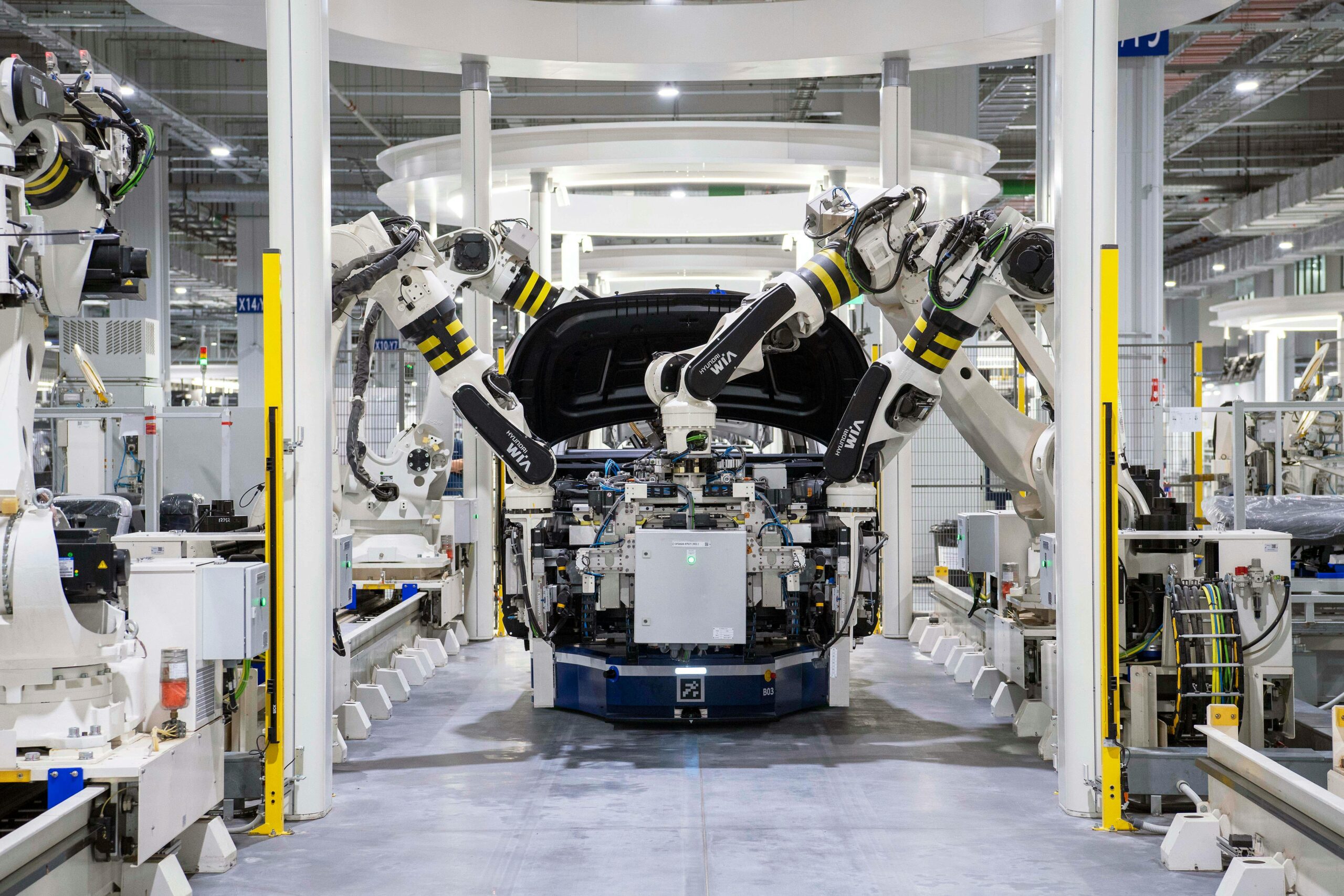
Manufacturing is entering a transformative era where agility, precision, and intelligence converge to reshape how products reach consumers in an increasingly dynamic global market.

The traditional manufacturing model—characterized by long production cycles, large inventory stockpiles, and rigid scheduling—is rapidly becoming obsolete. Today’s consumers expect personalized products delivered faster than ever, while businesses face mounting pressure to reduce waste, optimize resources, and respond instantly to market fluctuations. This convergence of challenges and opportunities has given rise to demand-responsive production, a paradigm shift that leverages real-time data, advanced analytics, and smart technologies to align manufacturing output directly with actual market demand.
Demand-responsive production represents more than incremental improvement; it embodies a fundamental reimagining of manufacturing operations. By integrating Internet of Things (IoT) sensors, artificial intelligence algorithms, cloud computing platforms, and automated machinery, manufacturers can now detect demand signals as they emerge and adjust production parameters almost instantaneously. This capability transforms factories from inflexible mass-production facilities into adaptive ecosystems capable of producing exactly what customers want, precisely when they need it.
🔄 Understanding the Demand-Responsive Production Framework
At its core, demand-responsive production is built upon three interconnected pillars: real-time visibility, predictive intelligence, and adaptive execution. Real-time visibility involves capturing comprehensive data streams from multiple sources—point-of-sale systems, e-commerce platforms, social media sentiment, supplier networks, and production equipment. This information creates a living portrait of market conditions that updates continuously rather than relying on periodic forecasts that become obsolete before implementation.
Predictive intelligence transforms raw data into actionable insights through machine learning models that identify patterns, anticipate trends, and recommend optimal production strategies. These systems learn from historical performance while incorporating external variables like seasonal fluctuations, economic indicators, competitive actions, and even weather patterns that might influence consumer behavior.
Adaptive execution closes the loop by automatically adjusting manufacturing parameters—from raw material procurement to assembly line speeds, quality control protocols, and distribution logistics—based on the intelligence generated. This creates a self-regulating system that optimizes itself continuously without requiring constant manual intervention.
📊 Quantifiable Benefits Transforming Bottom Lines
Organizations implementing demand-responsive production systems report remarkable improvements across multiple performance metrics. Inventory carrying costs typically decrease by 25-40% as companies shift from speculative production based on forecasts to responsive manufacturing driven by actual orders. This reduction frees substantial working capital previously locked in unsold goods sitting in warehouses.
Production lead times compress dramatically, with some manufacturers achieving 50-70% reductions in the interval between order placement and product delivery. This acceleration stems from eliminating batching delays, reducing changeover times between product variants, and streamlining workflows through intelligent automation.
Waste reduction represents another significant advantage. Traditional forecasting errors result in either excess inventory that eventually becomes obsolete or stockouts that disappoint customers. Demand-responsive systems minimize both scenarios by synchronizing production with genuine market pull, reducing material waste by 30-50% in typical implementations.
Enhanced Customer Satisfaction Through Responsiveness
Beyond operational metrics, demand-responsive production fundamentally improves customer experience. Product availability increases as manufacturing responds directly to demand signals rather than depending on occasionally accurate forecasts. Customization becomes economically viable at scale, allowing customers to specify preferences without incurring prohibitive costs or extended delivery times.
This responsiveness builds competitive differentiation in markets where consumers increasingly expect personalization and immediacy. Companies that deliver customized products within timeframes previously associated only with standardized items gain substantial market share advantages.
🏭 Technology Enablers Powering the Revolution
Several technological innovations have converged to make demand-responsive production feasible at industrial scale. Industrial IoT sensors deployed throughout manufacturing facilities generate granular data about equipment performance, material consumption, quality parameters, and environmental conditions. This sensor network creates digital twins—virtual replicas of physical production systems that enable simulation, optimization, and predictive maintenance.
Cloud computing platforms provide the computational infrastructure necessary to process enormous data volumes in real-time. Modern manufacturing operations generate terabytes of information daily; analyzing this data to extract actionable insights requires scalable computing resources that cloud architectures deliver efficiently.
Artificial intelligence and machine learning algorithms represent the cognitive layer that transforms data into decisions. These systems identify subtle correlations between variables that human analysts might overlook, predict demand fluctuations with increasing accuracy, and recommend optimal production schedules that balance competing objectives like cost minimization, delivery speed, and quality assurance.
Advanced Robotics and Flexible Automation
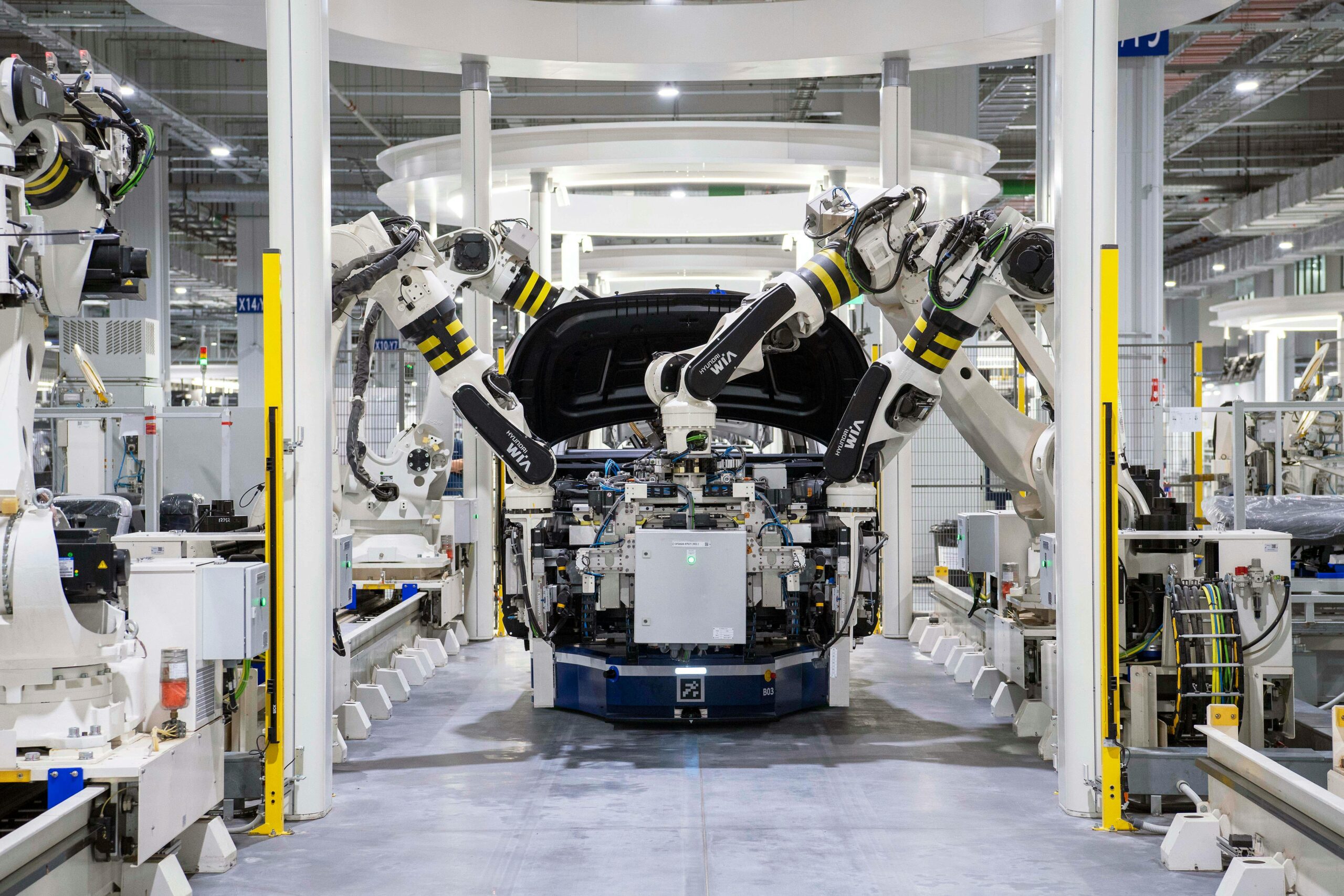
Contemporary industrial robots differ substantially from their predecessors. While traditional automation excelled at repetitive tasks in high-volume environments, modern collaborative robots (cobots) work safely alongside human operators and can be reprogrammed rapidly to accommodate product variations. This flexibility enables manufacturers to switch between different product configurations without extensive downtime or costly retooling.
Additive manufacturing (3D printing) technologies further enhance responsiveness by enabling on-demand production of components, tools, and even finished products. Rather than maintaining extensive spare parts inventories, manufacturers can produce replacement components precisely when needed, dramatically reducing inventory costs while improving equipment uptime.
🚀 Implementation Strategies for Manufacturing Transformation
Successfully transitioning to demand-responsive production requires thoughtful planning and phased execution. Organizations should begin by assessing current-state capabilities, identifying bottlenecks, and establishing clear objectives aligned with business strategy. This diagnostic phase reveals which processes deliver the greatest return on investment when optimized and which legacy systems require updating or replacement.
Starting with pilot projects in limited production areas allows organizations to validate technologies, refine processes, and build organizational competencies before scaling enterprise-wide. These pilots generate proof points that build stakeholder confidence and inform subsequent expansion phases.
Data infrastructure development represents a critical early investment. Demand-responsive systems depend on comprehensive, accurate, timely data flowing seamlessly between previously siloed systems. Establishing robust data governance, standardizing formats, and implementing integration platforms creates the foundation upon which advanced analytics and automation capabilities build.
Workforce Development and Change Management
Technology alone cannot deliver transformation; human expertise remains essential. Demand-responsive manufacturing requires new competencies—data analytics, system integration, advanced troubleshooting—that many incumbent workers may lack. Comprehensive training programs, apprenticeships, and partnerships with educational institutions help develop these capabilities.
Equally important is addressing the cultural dimensions of transformation. Employees accustomed to traditional workflows may resist changes that alter familiar routines or create perceived threats to job security. Transparent communication about transformation objectives, inclusive planning processes that incorporate worker insights, and demonstrable commitments to workforce development help overcome resistance and build engagement.
⚙️ Overcoming Common Implementation Challenges
Organizations pursuing demand-responsive production encounter predictable obstacles. Legacy equipment lacking connectivity features cannot generate the data streams that intelligent systems require. Retrofitting older machinery with modern sensors and control systems bridges this gap, though such upgrades involve costs and potential production disruptions during installation.
Data quality issues frequently emerge when organizations begin aggregating information from multiple sources. Inconsistent formats, duplicate records, missing values, and conflicting information undermine analytical accuracy. Establishing data quality protocols, implementing validation rules, and assigning clear accountability for data integrity addresses these challenges.
Cybersecurity concerns intensify as manufacturing systems become increasingly connected. Industrial control systems historically operated in isolated networks with minimal external connectivity; demand-responsive architectures require extensive integration that creates potential vulnerability to cyberattacks. Implementing defense-in-depth security architectures, conducting regular vulnerability assessments, and training personnel in security best practices mitigates these risks.
Supply Chain Coordination Complexity
Demand-responsive production affects entire supply networks, not just individual factories. Upstream suppliers must also adopt responsive practices to deliver materials aligned with dynamic production schedules. This coordination requires information sharing, aligned incentives, and sometimes contractual modifications that enable flexible delivery arrangements.
Establishing collaborative planning platforms where manufacturers and suppliers share forecasts, capacity information, and real-time demand signals facilitates this coordination. Blockchain technologies offer promising solutions for creating transparent, tamper-proof records of transactions and commitments across complex supply networks.
🌍 Sustainability Advantages of Responsive Manufacturing
Beyond efficiency and profitability improvements, demand-responsive production delivers substantial environmental benefits. Reducing excess inventory directly decreases resource consumption—fewer raw materials extracted, less energy consumed in unnecessary production, reduced warehouse space requiring heating and lighting, and diminished transportation of products that ultimately remain unsold.
Waste reduction extends beyond finished goods to encompass production processes themselves. Real-time monitoring identifies quality deviations immediately, allowing corrective action before significant material is wasted producing defective items. Predictive maintenance prevents catastrophic equipment failures that generate scrap and require energy-intensive emergency repairs.
Energy optimization represents another sustainability dimension. Intelligent production scheduling can shift energy-intensive operations to periods when renewable electricity is abundant or grid demand is low, reducing carbon footprints while potentially lowering energy costs through time-of-use pricing strategies.
🔮 Future Trajectories Shaping Manufacturing Evolution
Demand-responsive production continues evolving as enabling technologies advance. Edge computing architectures are pushing analytical capabilities closer to production equipment, reducing latency and enabling real-time decision-making without dependence on cloud connectivity. This distributed intelligence enhances system resilience and responsiveness.
Digital twin technologies are becoming increasingly sophisticated, incorporating not just physical equipment characteristics but also material properties, operator behaviors, and environmental variables. These comprehensive simulations enable manufacturers to test production strategies virtually before implementation, optimizing outcomes while minimizing risks.
Quantum computing, though still emerging, promises to revolutionize optimization problems that currently challenge classical computers. Production scheduling for complex facilities with multiple constraints, numerous product variants, and dynamic demand represents precisely the type of combinatorial optimization problem where quantum algorithms may deliver breakthrough performance.
Autonomous Manufacturing Systems on the Horizon
The trajectory points toward increasingly autonomous manufacturing systems capable of self-optimization with minimal human intervention. Advanced AI systems will eventually manage entire production networks, making instantaneous adjustments to countless parameters while continuously learning from outcomes to improve future performance.
Human roles will evolve toward strategic oversight, exception handling, and continuous improvement rather than routine operational control. This shift elevates manufacturing work, emphasizing creativity, problem-solving, and judgment while automating repetitive tasks.
💡 Building Competitive Advantage Through Manufacturing Intelligence
Organizations that master demand-responsive production gain durable competitive advantages. The ability to deliver customized products rapidly at costs approaching mass production creates market positions difficult for competitors to replicate. These capabilities require integrated systems, organizational competencies, and cultural attributes that accumulate over time and cannot be purchased instantly.
First-mover advantages in manufacturing transformation create self-reinforcing cycles. Early adopters generate superior financial performance that funds further investment in advanced capabilities. They attract talent seeking exposure to cutting-edge technologies and progressive work environments. Their demonstrated success with responsive production attracts customers seeking reliable, flexible suppliers, creating revenue growth that enables continued innovation.
Manufacturing excellence increasingly determines overall business success across industries. As product life cycles compress and consumer expectations escalate, the ability to translate ideas into physical products swiftly, economically, and sustainably becomes paramount. Demand-responsive production provides the operational foundation for competing effectively in this demanding environment.
🎯 Strategic Imperatives for Manufacturing Leaders
Executives steering manufacturing organizations through this transformation must champion several strategic priorities. Investing boldly in digital infrastructure, advanced equipment, and workforce development requires conviction that short-term costs will yield substantial long-term returns. This investment horizon sometimes conflicts with quarterly earnings pressures but remains essential for building competitive capabilities.
Fostering innovation cultures that embrace experimentation, tolerate calculated risks, and learn rapidly from both successes and failures accelerates transformation. Manufacturing organizations historically emphasized reliability, consistency, and risk minimization—attributes that remain important but must now balance with agility and innovation.
Building ecosystem partnerships extends capabilities beyond organizational boundaries. Collaborating with technology providers, academic researchers, industry consortia, and even competitors on pre-competitive challenges accelerates learning and reduces individual risk. These partnerships provide access to expertise, technologies, and perspectives that isolated organizations cannot develop independently.
The manufacturing sector stands at an inflection point where traditional approaches increasingly fail to meet market demands while new technologies enable unprecedented capabilities. Demand-responsive production represents the operational model aligned with contemporary market realities—delivering the agility, efficiency, and sustainability that customers, shareholders, and society increasingly expect. Organizations embracing this transformation position themselves to thrive in an era where manufacturing excellence differentiates winners from also-rans, creating value for stakeholders while building more resilient, responsible industrial systems for generations ahead.