In today’s fast-paced business landscape, the ability to adapt quickly and efficiently is no longer optional—it’s essential for survival and growth in competitive markets.

🚀 The Foundation of Flexible Production Allocation
Flexible production allocation represents a strategic approach to manufacturing and resource management that allows businesses to respond dynamically to changing market demands, customer preferences, and supply chain disruptions. This methodology shifts away from rigid, traditional production systems toward adaptable frameworks that can pivot quickly without sacrificing quality or efficiency.
At its core, flexible production allocation involves the strategic distribution of resources, personnel, and machinery across multiple production lines or projects based on real-time data and forecasting. Rather than committing to fixed production schedules months in advance, companies employing this approach maintain the agility to reallocate assets as circumstances evolve.
The modern business environment demands this level of responsiveness. Consumer preferences shift rapidly, seasonal demands fluctuate unpredictably, and global events can disrupt supply chains overnight. Organizations that embrace flexible production allocation position themselves to capitalize on opportunities while minimizing risks associated with overproduction or resource underutilization.
Understanding the Core Components of Production Flexibility
Production flexibility isn’t a single concept but rather an interconnected system of capabilities that work together to create organizational agility. These components include machine flexibility, routing flexibility, volume flexibility, and expansion flexibility—each contributing uniquely to overall operational adaptability.
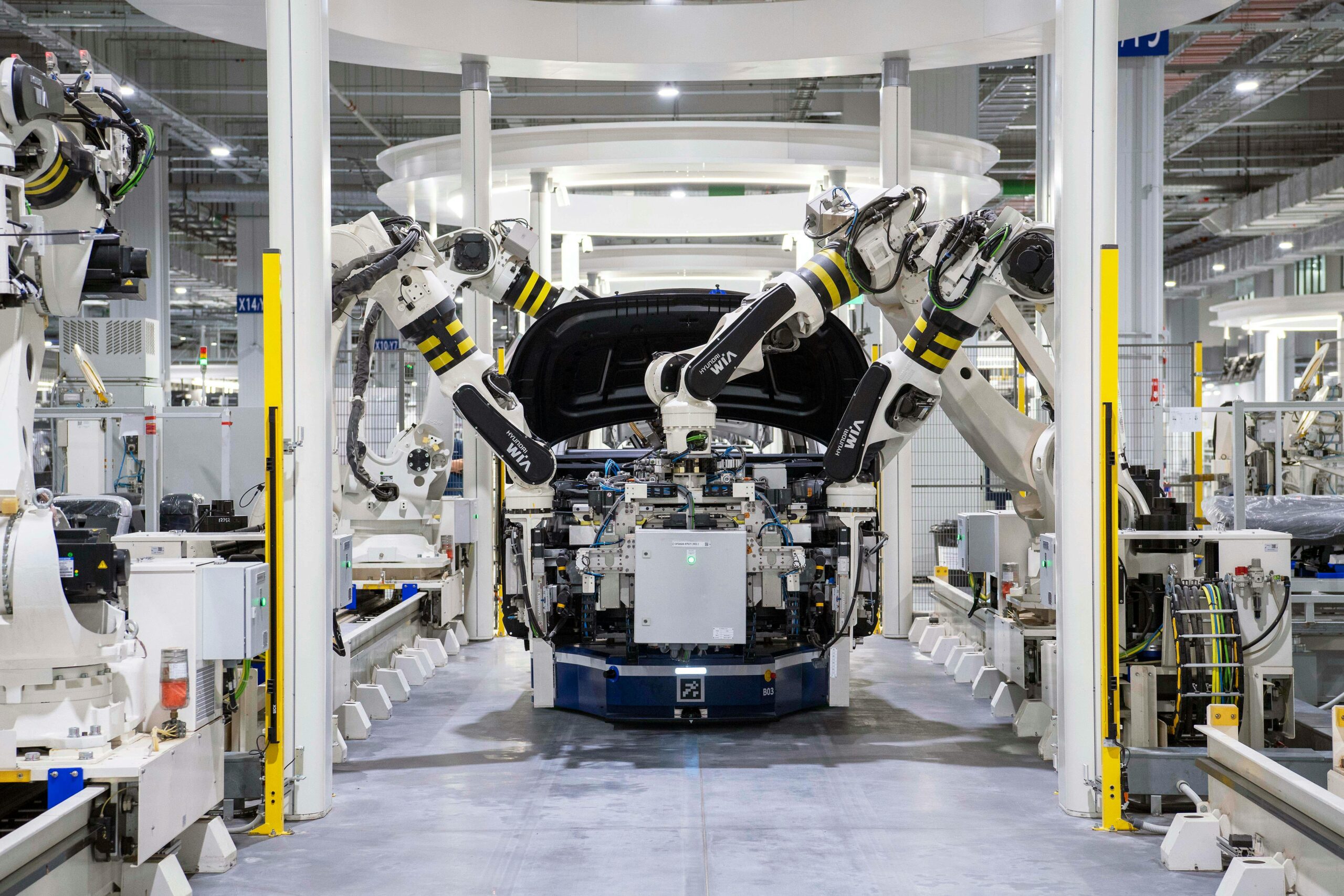
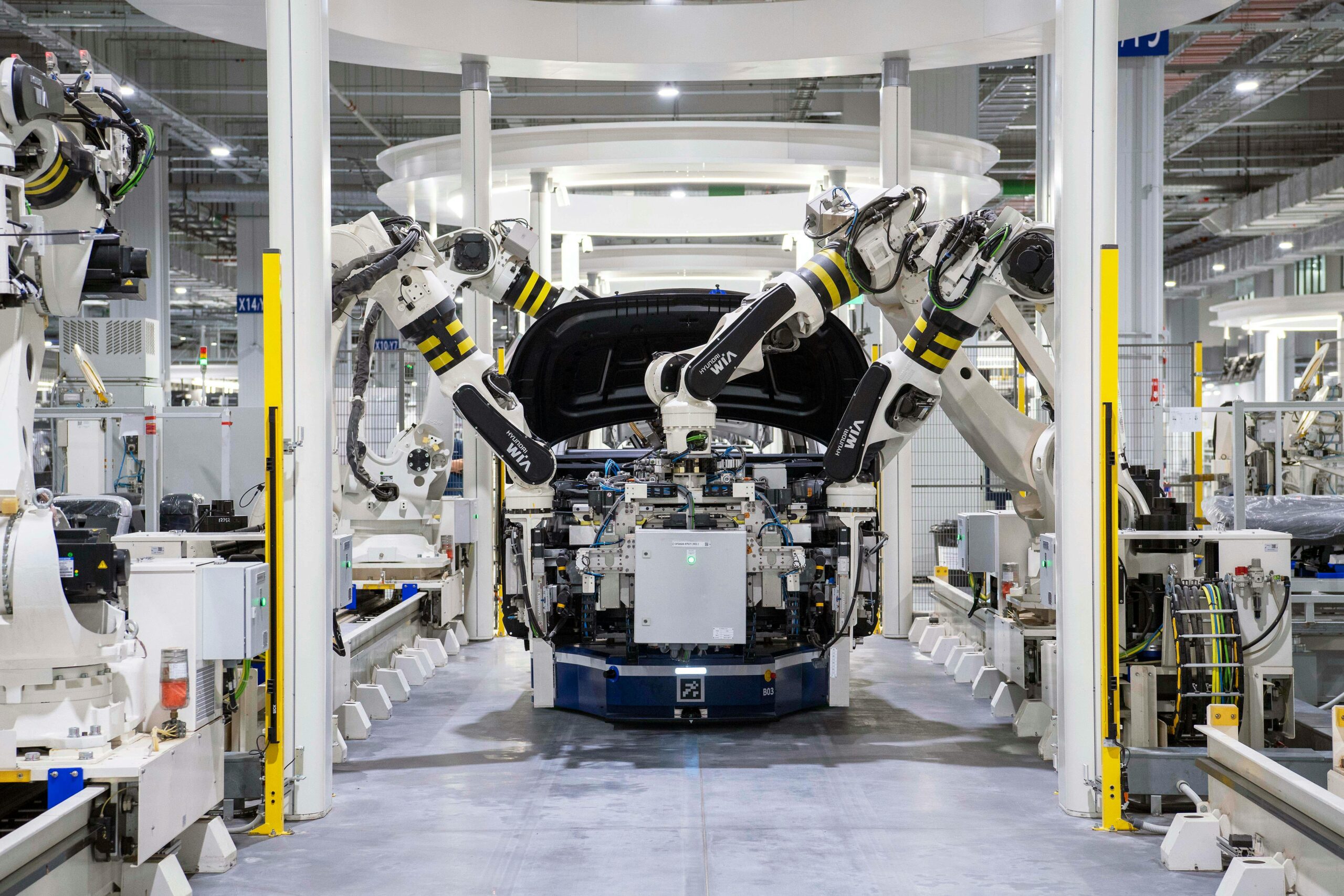
Machine flexibility refers to the ability of equipment to produce a variety of products with minimal changeover time. Modern manufacturing technologies, including computer numerical control (CNC) machines and automated systems with quick-change tooling, exemplify this capability. When machines can switch between production runs efficiently, businesses reduce downtime and respond faster to new orders.
Routing flexibility involves the capacity to produce items through alternative pathways within the production system. When one machine or workstation experiences problems, work can be redirected through backup routes without halting production entirely. This redundancy proves invaluable during equipment failures, maintenance periods, or unexpected demand surges for specific products.
Volume flexibility addresses the organization’s ability to scale production up or down profitably across a range of output levels. Companies with strong volume flexibility can efficiently produce small batches during slow periods and ramp up to meet peak demand without proportional increases in per-unit costs.
💡 Strategic Advantages in Competitive Markets
Implementing flexible production allocation delivers tangible competitive advantages that directly impact profitability and market position. Companies utilizing these systems consistently outperform competitors bound by rigid production frameworks, particularly during periods of market volatility or disruption.
One significant advantage is enhanced customer satisfaction through improved responsiveness. When businesses can quickly adjust production to accommodate custom orders, rush requests, or changing specifications, they build stronger client relationships and differentiate themselves from less agile competitors. This responsiveness translates directly into customer loyalty and repeat business.
Inventory optimization represents another critical benefit. Traditional production systems often require substantial inventory buffers to protect against uncertainties—tying up capital and increasing storage costs. Flexible production allocation enables just-in-time manufacturing approaches, reducing inventory requirements while maintaining service levels. The capital freed from excess inventory can be redirected toward innovation, market expansion, or other strategic initiatives.
Risk mitigation also improves substantially with flexible allocation systems. By maintaining the ability to quickly shift production between facilities, product lines, or suppliers, companies reduce their vulnerability to localized disruptions. Whether facing natural disasters, labor disputes, or supplier failures, flexible organizations can maintain operations through alternative channels.
Technological Enablers of Production Flexibility
Technology serves as the backbone of modern flexible production systems, providing the data, automation, and connectivity necessary for dynamic resource allocation. Several technological categories play particularly important roles in enabling production flexibility.
Enterprise Resource Planning (ERP) systems integrate data across organizational functions, providing visibility into inventory levels, production capacity, order status, and resource availability. This comprehensive view enables decision-makers to identify opportunities for reallocation and understand the downstream impacts of production changes before implementation.
Manufacturing Execution Systems (MES) bridge the gap between planning systems and shop floor operations, translating production plans into detailed work instructions while capturing real-time performance data. These systems enable rapid schedule changes and provide immediate feedback on production progress, quality metrics, and resource utilization.
Internet of Things (IoT) devices and sensors throughout production facilities generate continuous streams of operational data. This real-time information feeds into analytics platforms that identify patterns, predict maintenance needs, and optimize resource allocation automatically. Machine learning algorithms can analyze this data to recommend allocation strategies that human planners might overlook.
Advanced analytics and artificial intelligence have revolutionized production planning by processing vast datasets to forecast demand, identify optimization opportunities, and simulate the outcomes of different allocation strategies. These tools help organizations make data-driven decisions rather than relying on intuition or outdated rules of thumb.
⚙️ Implementation Strategies for Maximum Impact
Successfully implementing flexible production allocation requires more than technology investment—it demands organizational change, process redesign, and cultural transformation. Companies that approach implementation strategically achieve better results with lower disruption than those pursuing technology-first approaches.
Begin by assessing current state capabilities and identifying specific flexibility gaps. Which production constraints limit responsiveness? Where do bottlenecks typically emerge? What percentage of rush orders can the current system accommodate? These baseline measurements provide targets for improvement and help prioritize investment areas.
Cross-functional workforce development is essential for flexibility. Workers who understand multiple processes and can operate different equipment enable rapid reallocation of human resources as priorities shift. Invest in training programs that broaden skill sets and create internal mobility pathways that reward versatility.
Modular production system design supports flexibility by creating semi-autonomous units that can be reconfigured based on needs. Rather than building massive, integrated production lines optimized for single products, modular approaches establish flexible workstations that can be combined differently for various products or production volumes.
Establish clear metrics and key performance indicators (KPIs) that measure flexibility alongside traditional efficiency metrics. Track changeover times, schedule adherence during disruptions, custom order fulfillment rates, and production mix variability. What gets measured gets managed, and flexibility metrics focus organizational attention on adaptive capabilities.
Building Resilient Supply Chain Partnerships
Production flexibility extends beyond factory walls to encompass supplier relationships and logistics networks. The most flexible production systems integrate closely with equally adaptable supply chains, creating end-to-end responsiveness that competitors struggle to match.
Develop supplier relationships that prioritize flexibility alongside cost and quality. Suppliers who can adjust delivery quantities, accelerate lead times, or modify specifications on short notice become invaluable partners rather than transactional vendors. Consider multi-sourcing strategies for critical components to maintain allocation options when primary suppliers face constraints.
Implement vendor-managed inventory programs with key suppliers to reduce response times and inventory holdings. When suppliers maintain visibility into your production schedules and inventory levels, they can proactively adjust deliveries without waiting for formal purchase orders, smoothing supply flow and reducing emergency shipments.
Logistics flexibility complements production flexibility by ensuring that finished goods reach customers efficiently regardless of production location or timing changes. Relationships with multiple carriers, flexible warehousing arrangements, and distributed inventory strategies all contribute to end-to-end supply chain adaptability.
📊 Measuring Success and Continuous Improvement
Quantifying the value of flexible production allocation helps justify investments and guides ongoing optimization efforts. Several metrics capture different aspects of production flexibility and its business impact.
- Changeover efficiency: Track the time and cost required to switch between products, with goals of continuous reduction through improved processes and equipment.
- Schedule attainment rate: Measure actual production against planned schedules, particularly during disruptions or demand changes, to assess responsive capabilities.
- Product mix flexibility: Calculate the range of products that can be manufactured simultaneously or within short timeframes without significant cost penalties.
- Volume scalability: Assess how efficiently production can increase or decrease output levels, typically measured by cost per unit across different volume scenarios.
- Custom order fulfillment: Track the percentage of non-standard orders successfully accommodated and the lead time differential compared to standard products.
Establish regular review cycles to analyze these metrics, identify improvement opportunities, and benchmark against industry standards. Flexibility is not a destination but a continuous journey requiring ongoing attention and investment.
Advanced organizations implement digital twin technologies to simulate production scenarios and test allocation strategies virtually before implementation. These simulations reduce risk, accelerate learning, and identify optimal configurations without disrupting actual operations.
🎯 Overcoming Common Implementation Challenges
Despite compelling benefits, organizations frequently encounter obstacles when implementing flexible production systems. Anticipating these challenges and developing mitigation strategies improves implementation success rates and reduces transition friction.
Cultural resistance often represents the most significant barrier. Workers accustomed to stable routines may view flexibility initiatives as threats to job security or attempts to increase workloads without compensation. Address these concerns through transparent communication about flexibility objectives, involvement in design processes, and clear articulation of benefits for employees as well as the organization.
Legacy equipment and facility layouts designed for mass production can physically constrain flexibility. While ideal solutions might involve facility redesign or equipment replacement, incremental approaches can deliver value with lower investment. Identify high-impact flexibility bottlenecks and prioritize targeted improvements that deliver disproportionate benefits.
Data quality and system integration challenges frequently undermine flexibility initiatives. When production systems don’t communicate effectively or data accuracy is questionable, the real-time decision-making that flexibility requires becomes impossible. Invest in data governance, system integration, and process standardization as foundational elements before pursuing advanced flexibility capabilities.
Complexity management becomes critical as production systems gain flexibility. More options and configurations can paradoxically slow decision-making if not managed properly. Develop clear decision frameworks, establish authority levels for different types of changes, and implement automation for routine allocation decisions to prevent flexibility from creating operational chaos.
Future Trends Shaping Production Flexibility
The evolution of manufacturing technology and business models continues to expand what’s possible in flexible production allocation. Organizations that anticipate these trends and begin preparing now will maintain competitive advantages as new capabilities mature.
Additive manufacturing (3D printing) is progressively moving from prototyping to production applications, offering unprecedented flexibility. Unlike traditional subtractive manufacturing, additive processes can produce highly customized items without tooling changes or setup time, potentially enabling batch sizes of one to be economically viable.
Autonomous mobile robots (AMRs) and automated guided vehicles (AGVs) create dynamic material handling systems that can be reconfigured in software rather than through physical layout changes. As these technologies become more affordable and capable, they’ll enable rapid production floor reconfigurations to support changing product mixes.
Cloud-based manufacturing platforms are emerging that connect businesses with networks of production facilities, enabling companies to allocate production across geographic and organizational boundaries. These platforms could allow businesses to access production capacity without capital investment, dramatically increasing allocation flexibility.
Artificial intelligence will increasingly automate allocation decisions, moving from recommendation systems to autonomous optimization. Machine learning algorithms that understand historical patterns, current constraints, and business objectives will make micro-adjustments continuously, optimizing allocation at scales and speeds beyond human capability.
🌟 Creating Competitive Advantage Through Adaptive Operations
Flexible production allocation transforms from operational capability into strategic advantage when integrated holistically into business models and value propositions. Leading companies don’t just implement flexibility—they build entire competitive strategies around adaptive operations.
Consider how customization capabilities enabled by flexible production create premium pricing opportunities. Customers increasingly value personalized products and are willing to pay for them, but only if customization doesn’t significantly extend delivery times. Flexible production systems that can economically produce customized items with lead times approaching standard products unlock new revenue streams and customer segments.
Rapid product launches become possible when production systems can accommodate new items without extensive retooling or line dedications. In fast-moving industries where being first to market creates substantial advantages, production flexibility directly impacts competitive positioning and market share capture.
Sustainability objectives align naturally with flexible production allocation. By optimizing resource utilization, reducing overproduction waste, and minimizing obsolete inventory, flexible systems support environmental goals while improving profitability. This alignment becomes increasingly important as customers, regulators, and investors prioritize sustainability.
Integrating Flexibility Across the Enterprise
Production flexibility delivers maximum value when complemented by flexibility in adjacent functions. Sales teams need tools and authority to commit to customer-specific requirements. Product development must design with manufacturing flexibility in mind. Finance should measure success using metrics that value adaptability alongside efficiency.
Sales and operations planning (S&OP) processes become more dynamic in flexible organizations, moving from monthly or quarterly cycles to continuous collaborative planning. Real-time visibility into production capabilities enables sales teams to commit confidently to customer requests while production teams receive earlier visibility into changing demand patterns.
Product design for flexibility involves modular architectures, standardized components, and delayed differentiation strategies. When products share common platforms and components, production systems can maintain flexibility while still achieving economies of scale on standard elements. Final configuration or customization occurs as late as possible in the production process, maximizing forecast accuracy and minimizing inventory risk.
Financial models must evolve beyond traditional efficiency metrics that penalize flexibility. Activity-based costing that captures the true cost of inflexibility—lost sales, excess inventory, obsolescence, and emergency expediting—provides more accurate economic assessments of flexibility investments.

🔄 Sustaining Flexibility in Changing Conditions
Flexibility itself must remain flexible. As markets, technologies, and competitive landscapes evolve, the specific flexibility capabilities that create value also change. Organizations must periodically reassess flexibility strategies and adapt them to emerging conditions.
Scenario planning exercises help identify which flexibility capabilities matter most under different potential futures. Rather than optimizing for current conditions that may not persist, consider multiple scenarios and invest in flexibility dimensions that provide value across various possibilities.
Continuous learning cultures treat every production challenge as an opportunity to enhance flexibility. After-action reviews following disruptions or difficult orders identify system constraints and improvement opportunities. This learning becomes institutionalized through updated procedures, training programs, and system enhancements.
Balance optimization and flexibility carefully. While flexible systems sometimes operate at lower theoretical efficiency than specialized alternatives, total business performance—including revenue opportunities, inventory costs, and risk mitigation—typically favors flexibility. Avoid the trap of over-optimizing for efficiency metrics that exclude flexibility benefits.
The journey toward maximizing efficiency and adaptability through flexible production allocation represents a fundamental transformation in how organizations operate. Companies that successfully navigate this transformation position themselves not just to survive market volatility but to thrive because of it. By viewing change as opportunity rather than threat, these adaptive organizations turn uncertainty into competitive advantage, building resilient operations that deliver superior performance across diverse conditions. The power of flexible production allocation lies not in any single technology or practice but in the holistic integration of people, processes, and systems focused relentlessly on responsive, efficient value creation.