Production design is no longer just about aesthetics—it’s about building systems that anticipate risks, optimize workflows, and protect both people and profits in today’s demanding industrial landscape.

Modern manufacturing and production environments face unprecedented challenges. Supply chain disruptions, workforce safety concerns, regulatory compliance demands, and the relentless pressure to deliver quality at speed have transformed how we approach production design. The companies that thrive aren’t just those with the most advanced technology, but those who masterfully integrate risk awareness into every layer of their operational architecture.
Risk-aware production design represents a fundamental shift from reactive problem-solving to proactive system engineering. It’s about embedding intelligence, flexibility, and resilience into your production environment before issues emerge—not scrambling to fix them afterward. This approach doesn’t just prevent disasters; it creates operational excellence that compounds over time, building competitive advantages that are difficult for rivals to replicate.
🎯 Understanding the Foundation of Risk-Aware Production Design
At its core, risk-aware production design is a holistic methodology that integrates hazard identification, vulnerability assessment, and mitigation strategies directly into the planning and execution phases of production facility development. Rather than treating safety, efficiency, and quality as separate concerns, this approach recognizes their interconnected nature and designs systems that optimize all three simultaneously.
The traditional production design model followed a linear path: design for output, then add safety measures, then optimize for efficiency. This sequential approach created silos, resulted in costly retrofits, and often left critical vulnerabilities unaddressed until they manifested as expensive problems or dangerous incidents.
Risk-aware production design flips this model entirely. It begins with a comprehensive risk mapping exercise that identifies potential failure points, safety hazards, quality vulnerabilities, and efficiency bottlenecks before a single piece of equipment is installed. This front-loaded analysis might seem time-intensive initially, but it consistently delivers dramatic returns through reduced downtime, fewer accidents, lower insurance costs, and superior operational performance.
The Critical Components of Effective Risk Assessment
A thorough risk assessment in production design examines multiple dimensions simultaneously. Physical risks include equipment failure, material handling hazards, and environmental exposures. Process risks encompass workflow bottlenecks, quality control gaps, and supply chain vulnerabilities. Human factors risks address ergonomic issues, training adequacy, and fatigue management. Technological risks evaluate system failures, cybersecurity threats, and integration challenges.
Each of these risk categories requires specific expertise and evaluation methods, but the real power emerges when they’re analyzed as an integrated system. A layout decision that optimizes material flow might inadvertently create ergonomic hazards. An automation solution that improves consistency might introduce new cybersecurity vulnerabilities. Risk-aware design identifies these trade-offs explicitly and makes conscious decisions about how to balance competing priorities.
🔧 Building Resilience Through Intelligent Spatial Planning
The physical layout of your production environment is perhaps the most fundamental risk management tool at your disposal, yet it’s frequently underutilized. Strategic spatial planning does far more than arrange equipment efficiently—it creates natural buffers against cascading failures, facilitates rapid response to incidents, and builds flexibility for future adaptation.
Zone-based design separates incompatible processes and materials, reducing cross-contamination risks and limiting the potential spread of incidents. Clean zones are physically isolated from dirty operations. High-hazard processes are positioned away from high-traffic areas. Critical equipment is distributed to prevent single points of failure from paralyzing entire production lines.
Flow analysis goes beyond simple efficiency metrics to examine how materials, people, and information move through space. Crossing paths create collision risks. Long travel distances increase exposure time to hazards and reduce responsiveness. Confusing layouts contribute to human error. Risk-aware spatial planning optimizes these flows not just for speed, but for safety and reliability.
Emergency Preparedness Built Into Every Square Meter
The best time to plan for emergencies is when you’re designing normal operations. Exit paths should be intuitive and obstacle-free, visible from any position on the production floor. Emergency equipment placement should follow the principle of accessibility—firefighting equipment, first aid stations, and emergency shutoffs positioned where they’re needed most, not just where they’re convenient to install.
Compartmentalization strategies use physical barriers, fire-resistant materials, and isolation protocols to contain incidents. If a fire starts in one area, can it spread to adjacent zones? If a chemical spill occurs, will containment systems prevent environmental contamination? These questions need answers during design, not during crisis response.
⚙️ Technology Integration: Smart Tools for Smarter Risk Management
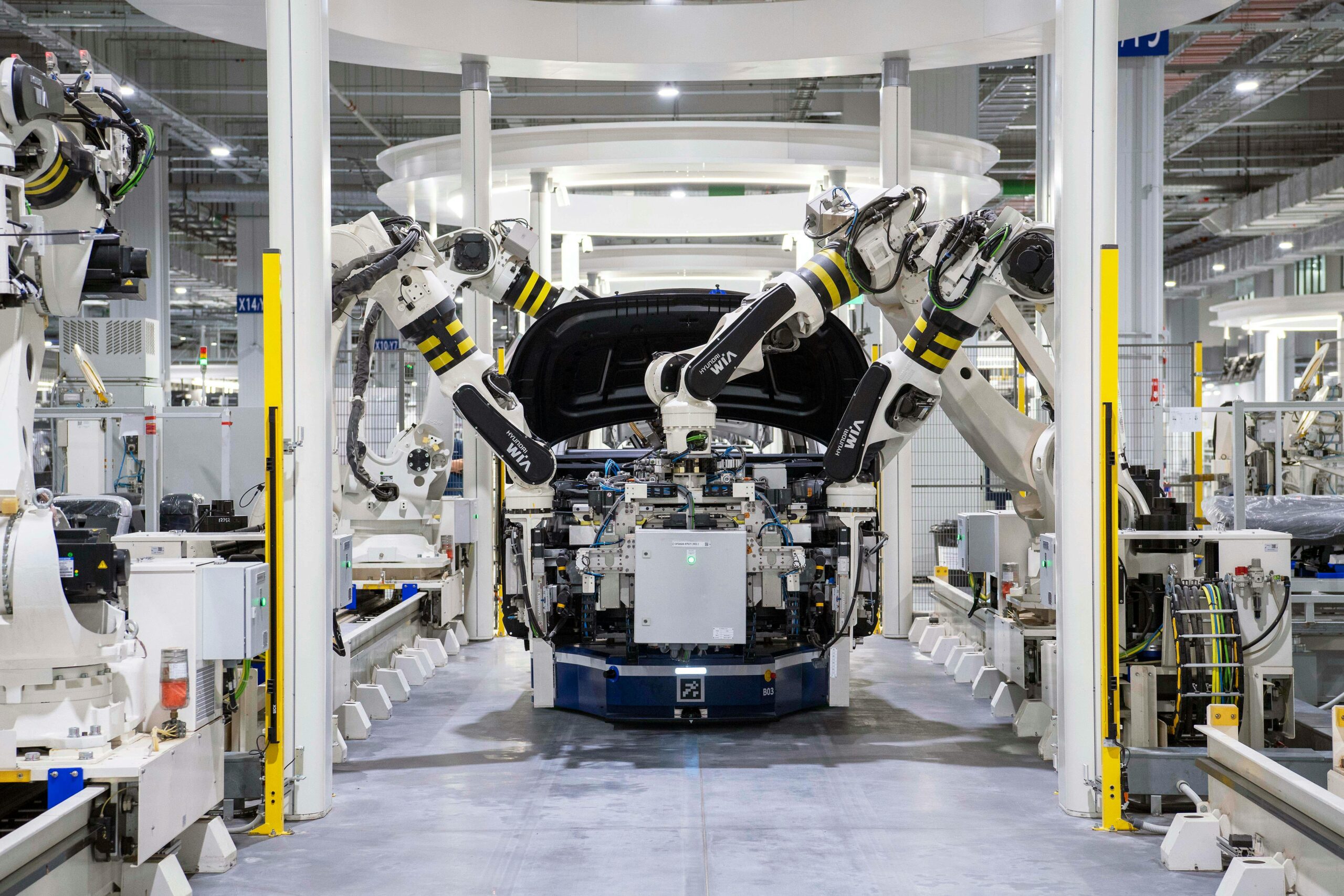
Digital technologies have revolutionized our capacity to monitor, predict, and respond to operational risks. Sensors detect anomalies before they become failures. Analytics platforms identify patterns that human observers might miss. Automation removes people from high-hazard environments while maintaining productivity.
However, technology integration itself introduces new risks that must be managed thoughtfully. System complexity can obscure rather than illuminate problems. Overreliance on automated systems can erode human expertise and situational awareness. Connectivity creates cybersecurity vulnerabilities. Risk-aware production design embraces technology strategically, always maintaining human oversight and manual backup capabilities.
Real-time monitoring systems provide continuous visibility into critical parameters—temperature, pressure, vibration, chemical concentrations, and countless other variables. When properly configured with intelligent alert thresholds, these systems detect developing problems early, when interventions are still straightforward and inexpensive. The key is tuning sensitivity to minimize false alarms while catching genuine issues reliably.
Predictive Maintenance: Preventing Failures Before They Happen
Traditional maintenance follows either a reactive model (fix it when it breaks) or a scheduled model (service it at predetermined intervals). Both approaches are inefficient and risky. Reactive maintenance means unexpected downtime and potentially catastrophic failures. Scheduled maintenance wastes resources on equipment that doesn’t need service while potentially missing developing issues between service intervals.
Predictive maintenance leverages sensor data and analytics to service equipment based on actual condition rather than assumptions or averages. Vibration analysis detects bearing wear. Thermal imaging identifies electrical connection problems. Oil analysis reveals internal engine wear. By addressing issues based on evidence rather than guesswork, predictive maintenance dramatically reduces both maintenance costs and unexpected failures.
👥 Human Factors: Designing for Real People in Real Conditions
Even the most automated production environments depend fundamentally on human judgment, skill, and decision-making. Yet production design frequently treats humans as infinitely adaptable components rather than complex beings with cognitive limitations, physical constraints, and psychological needs. This oversight creates persistent vulnerabilities that no amount of technology can fully compensate for.
Ergonomic design reduces physical strain and fatigue, which directly impacts both safety and quality. Workstations should accommodate the range of human body dimensions, not force workers into uncomfortable positions. Material handling should minimize lifting, carrying, and repetitive motions. Environmental conditions—lighting, noise, temperature, air quality—should support sustained concentration and physical comfort.
Cognitive ergonomics addresses the mental demands of production work. Information displays should present critical data clearly without overwhelming operators with irrelevant details. Control interfaces should follow intuitive design principles that minimize training requirements and reduce error likelihood. Workflow sequencing should align with natural human cognitive patterns rather than fighting against them.
Creating a Culture Where Risk Awareness Thrives
Physical design and technical systems can only go so far. Sustainable risk management requires a cultural foundation where reporting concerns is encouraged, learning from mistakes is prioritized over blame, and continuous improvement is genuinely valued rather than merely proclaimed.
Transparent communication systems ensure that risk information flows both up and down organizational hierarchies. Frontline workers often have the clearest visibility into emerging problems, but they need channels to report concerns without fear of retaliation. Management needs mechanisms to share lessons learned across shifts and departments, preventing the same mistake from recurring in different parts of the operation.
Regular training and competency validation ensure that workers understand not just what to do, but why protocols exist and what risks they’re designed to mitigate. This deeper understanding builds judgment and enables appropriate responses to unexpected situations that procedures haven’t specifically addressed.
📊 Measuring What Matters: Metrics That Drive Continuous Improvement
You can’t manage what you don’t measure, but measuring the wrong things can be worse than measuring nothing at all. Risk-aware production design requires thoughtfully selected metrics that provide genuine insight into system performance and risk exposure, not just numbers that look good in reports.
Leading indicators predict future performance and enable proactive intervention. Near-miss reporting frequency, safety observation completion rates, and maintenance schedule adherence all provide early warning of developing problems. These metrics allow management to address issues before they result in actual incidents or failures.
Lagging indicators document what has already happened. Injury rates, quality defect percentages, unplanned downtime hours, and production output all fall into this category. While lagging indicators can’t prevent problems, they provide essential accountability and help validate whether leading indicator improvements are translating into actual results.
Balanced Scorecards for Holistic Performance Assessment
The most effective measurement systems track multiple dimensions simultaneously, preventing the optimization of one metric at the expense of others. A balanced production scorecard might include:
- Safety metrics: recordable incidents, days since last accident, near-miss reports submitted, safety training completion rates
- Quality metrics: defect rates, customer complaints, rework percentages, first-pass yield
- Efficiency metrics: overall equipment effectiveness, production per labor hour, schedule adherence, changeover times
- Risk exposure metrics: overdue maintenance items, expired certifications, process deviations, audit findings
By monitoring all these dimensions together, management can identify concerning trends early and ensure that improvements in one area aren’t creating problems elsewhere.
🔄 Adaptability: Designing Production Systems That Evolve With Change
The only certainty in modern production environments is change. Product specifications evolve, regulations tighten, technologies advance, markets shift, and workforce demographics transform. Production designs that optimize exclusively for current conditions become liabilities when circumstances change, requiring expensive retrofits or limiting strategic flexibility.
Modular design approaches create flexibility by using standardized components and interfaces. Equipment can be reconfigured, replaced, or upgraded without requiring wholesale facility redesign. Utility infrastructure is sized to accommodate future expansion. Spatial layouts include buffer zones that can absorb new equipment or process modifications without disrupting existing operations.
Scenario planning examines multiple potential futures and designs systems that perform adequately across all of them rather than optimally for a single predicted scenario. What if production volume doubles? What if you need to manufacture completely different products? What if key suppliers become unavailable? What if environmental regulations become significantly stricter? Designs that have considered these scenarios can adapt more quickly and cost-effectively when change arrives.
Digital Twins: Virtual Testing for Real-World Resilience
Digital twin technology creates virtual replicas of physical production systems that enable risk-free experimentation and optimization. Before implementing a layout change, you can simulate its impact on workflow, identify potential problems, and refine the approach. Before introducing a new product, you can virtually test how existing equipment will handle different specifications and identify necessary modifications.
These virtual environments also support training, allowing operators to develop expertise on new systems before they’re installed. Emergency response teams can practice procedures in simulated crisis scenarios. Engineers can test “what if” scenarios to understand system vulnerabilities and develop contingency plans.
💡 Implementation Strategies: Turning Principles Into Practice
Understanding risk-aware production design principles is valuable, but implementation is where real results emerge. Successful implementation requires executive commitment, cross-functional collaboration, adequate resourcing, and realistic timelines that acknowledge the complexity of transforming operational systems.
Start with comprehensive baseline assessment. Before designing improvements, understand current state thoroughly. Document existing layouts, workflows, equipment specifications, and performance metrics. Identify known problems, near-misses, and recurring issues. This baseline provides both a reference point for measuring progress and essential context for design decisions.
Engage diverse perspectives throughout the design process. Engineers bring technical expertise, but operators offer practical insights about how systems actually function in daily use. Safety professionals identify hazards that others might overlook. Maintenance technicians understand reliability implications. Supply chain specialists recognize material flow optimization opportunities. The best designs emerge from genuine collaboration among these perspectives, not from isolated expert analysis.
Phased Implementation: Managing Transition Risks
Wholesale transformation of production environments is usually impractical and creates its own risks. Phased implementation allows learning, adjustment, and continuous operation while improvements are progressively deployed. Pilot projects test new approaches on a limited scale before full deployment. Early wins build momentum and organizational confidence. Lessons learned from initial phases inform subsequent implementation waves.
Each phase should deliver tangible value independently rather than requiring the entire transformation to complete before benefits materialize. This approach maintains stakeholder support, provides regular feedback about what’s working, and allows course corrections before significant resources are committed to ineffective approaches.

🚀 Transforming Operations Through Intelligent Design
The manufacturing landscape has fundamentally shifted. Global competition, regulatory complexity, workforce dynamics, and technological capabilities have transformed what’s possible and what’s necessary for operational excellence. Production facilities designed even a decade ago often struggle to meet contemporary demands without extensive and expensive modifications.
Risk-aware production design offers a path forward that doesn’t just address today’s challenges but builds capacity to handle tomorrow’s uncertainties. By embedding resilience, flexibility, and intelligence into the fundamental architecture of production systems, this approach creates operations that are simultaneously safer, more efficient, and more adaptable than traditional designs.
The investment required—both financial and organizational—is substantial. Comprehensive risk assessment takes time. Integrated design requires coordination across traditionally siloed functions. Implementation demands patience and persistence. However, organizations that commit to this approach consistently report returns that far exceed costs through reduced incidents, improved quality, lower operating expenses, and enhanced competitive positioning.
The question isn’t whether risk-aware production design delivers value—the evidence is overwhelming. The question is whether your organization will lead this transformation or struggle to catch up as competitors pull ahead. The production facilities being designed today will shape operational performance for decades. Make sure yours are built on foundations that enable excellence, not limit it. 🎯