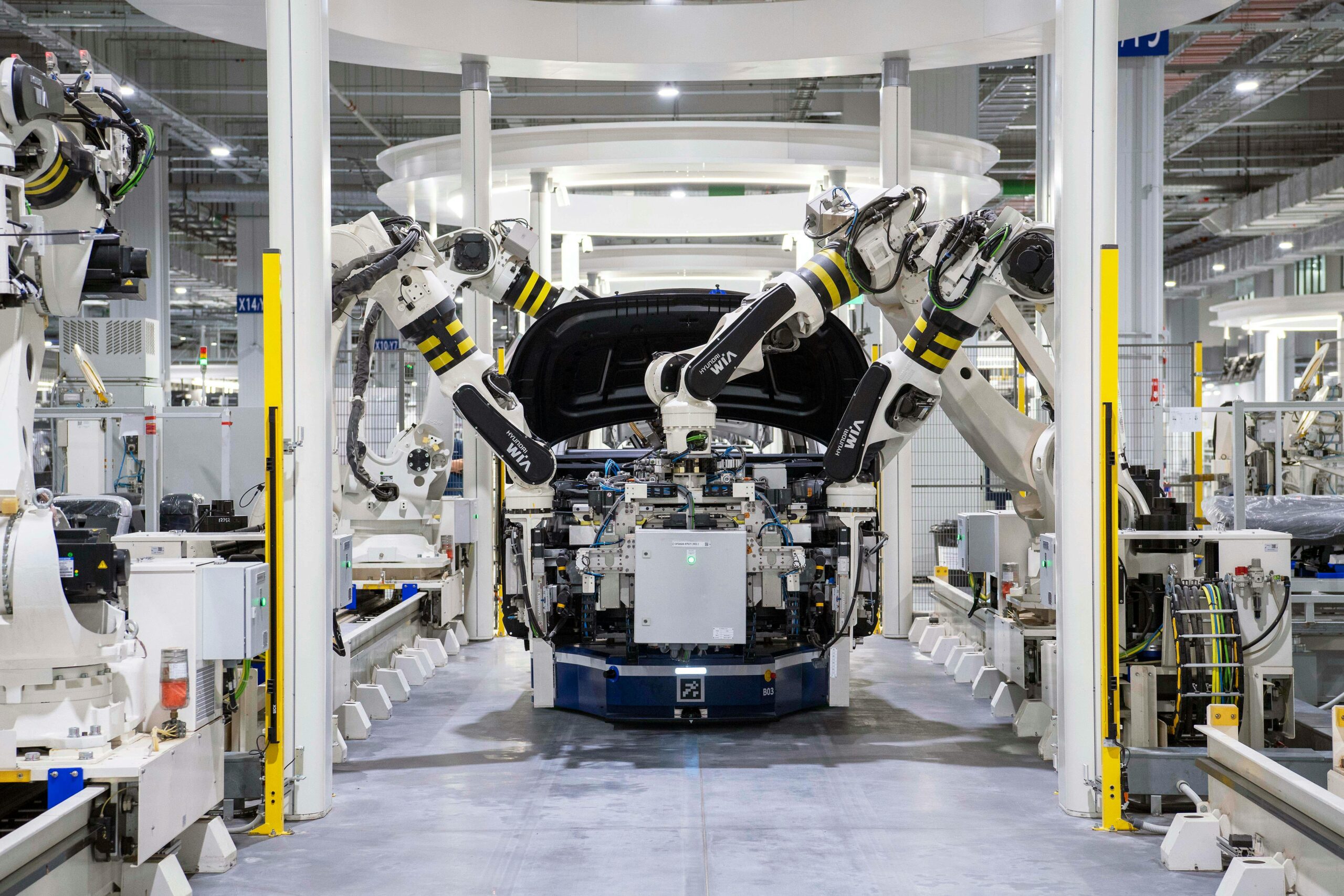
The way we move from place to place is undergoing a radical transformation, driven by technology, sustainability concerns, and the need for more efficient urban systems.

🚀 The Dawn of a New Transportation Era
Transportation has always been the lifeblood of civilization, connecting people, goods, and ideas across distances. For decades, centralized planning authorities have dictated how cities develop their transit systems, where roads should go, and how resources are allocated. While this top-down approach has created functional infrastructure, it often fails to address the nuanced, real-time needs of diverse communities and individuals.
Decentralized transport planning represents a paradigm shift in how we conceptualize, design, and implement mobility solutions. Instead of relying solely on government agencies and large corporations to determine transportation priorities, this innovative approach distributes decision-making power across multiple stakeholders, including citizens, local businesses, technology platforms, and community organizations.
The promise of decentralized systems lies in their ability to respond dynamically to actual user behavior, preferences, and needs. By leveraging emerging technologies like blockchain, artificial intelligence, and the Internet of Things, we can create transportation networks that are more flexible, responsive, and ultimately more aligned with what people actually want and need.
🌍 Understanding Decentralized Transport Planning
At its core, decentralized transport planning moves away from monolithic control structures toward distributed networks of decision-making and resource allocation. This doesn’t mean abandoning all oversight or coordination, but rather reimagining how various actors collaborate to create better mobility solutions.
Traditional centralized planning operates on long development cycles, often taking years or even decades to implement major changes. By the time a new subway line opens or a bus route is modified, the demographics and needs of the area may have already shifted. Decentralized approaches enable more agile responses to changing conditions.
The Building Blocks of Decentralization
Several key technologies and concepts enable truly decentralized transport systems. Blockchain technology provides transparent, tamper-proof records of transactions and decisions, creating trust without requiring a central authority. Smart contracts can automate complex agreements between multiple parties, from ride-sharing arrangements to micro-transit routing.
Distributed ledger systems allow multiple stakeholders to access and contribute to transportation data without any single entity controlling the entire dataset. This democratization of information helps prevent the information monopolies that have traditionally given large companies unfair advantages.
Edge computing processes data closer to where it’s generated, enabling real-time decision-making for autonomous vehicles and smart traffic systems without requiring constant communication with centralized servers. This reduces latency and increases system resilience.
🚗 Transforming Urban Mobility Ecosystems
Cities worldwide are experiencing unprecedented growth, with more than half of humanity now living in urban areas. This concentration creates both challenges and opportunities for reimagining transportation. Decentralized planning offers pathways to address congestion, pollution, and accessibility issues that centralized approaches have struggled to solve.
Imagine a city where citizens actively participate in routing decisions through transparent voting mechanisms on blockchain platforms. Where local neighborhoods can propose and fund micro-transit solutions tailored to their specific needs. Where real-time data from thousands of sensors and users continuously optimizes traffic flow without human intervention.
Community-Driven Transit Solutions
One of the most exciting aspects of decentralized transport planning is empowering communities to create their own mobility solutions. Instead of waiting years for official transit authorities to recognize and address gaps in service, neighborhoods can organize their own shuttle services, bike-sharing programs, or carpooling networks.
Blockchain-based platforms enable these community initiatives to operate with financial transparency and democratic governance. Token systems can incentivize participation, reward sustainable choices, and fairly distribute the economic benefits of successful programs back to the community members who make them possible.
Several pilot projects around the world demonstrate this potential. In some European cities, residential associations have created decentralized electric vehicle sharing programs where ownership and access rights are managed through smart contracts. Users can join, contribute vehicles, and earn tokens based on their participation, all without requiring a central company to take a large cut of the proceeds.
📱 Technology Platforms Enabling the Revolution
The digital infrastructure supporting decentralized transport planning is rapidly maturing. Open-source mapping platforms, peer-to-peer communication protocols, and distributed computing frameworks provide the foundation for building alternative mobility systems.
Mobile applications play a crucial role in connecting users with decentralized transportation options. Unlike traditional apps controlled by single companies, decentralized mobility apps can aggregate information from multiple sources, giving users comprehensive views of all available options without favoring any particular provider.
These platforms use distributed protocols to match riders with drivers, coordinate multi-modal journeys, and process payments without requiring intermediaries who extract significant fees. Users maintain greater control over their personal data, deciding what information to share and with whom, rather than surrendering everything to corporate databases.
Interoperability and Open Standards
For decentralized transport systems to reach their full potential, different platforms and services must communicate seamlessly. Open standards and protocols ensure that a user can plan a journey incorporating buses from one provider, bike-sharing from another, and autonomous shuttles from a third, all through a single interface.
Industry consortia are developing these standards, creating specifications for how mobility data should be formatted and shared. Unlike proprietary systems that lock users into single ecosystems, open standards enable true choice and competition while maintaining seamless user experiences.
🌱 Sustainability and Environmental Impact
Transportation accounts for a significant portion of global greenhouse gas emissions, making the sector’s transformation essential for addressing climate change. Decentralized planning can accelerate the transition to sustainable mobility by enabling more efficient resource utilization and supporting environmentally friendly choices.
When transportation resources are shared rather than individually owned, fewer vehicles are needed overall. Decentralized platforms can optimize vehicle utilization rates, ensuring that cars, bikes, and scooters spend more time in productive use rather than sitting idle. This efficiency reduces the total number of vehicles that must be manufactured, decreasing the environmental footprint of production.
Token-based incentive systems can reward users for making sustainable transportation choices. Taking public transit, carpooling, biking, or walking could earn credits that provide discounts on future trips or access to premium services. These economic incentives, embedded in decentralized platforms, can shift behavior more effectively than top-down mandates.
Reducing Urban Sprawl Through Smart Planning
Decentralized doesn’t mean uncoordinated. Advanced algorithms analyzing distributed data can identify patterns and opportunities for creating more sustainable urban development. By understanding actual travel patterns rather than relying on outdated models, planners can encourage mixed-use development that reduces the need for long commutes.
Real-time optimization of transit routes based on demand can make public transportation more competitive with private vehicles, encouraging modal shift toward more efficient shared mobility. As more people choose sustainable options, cities can reclaim space previously dedicated to parking and wide roads, creating more livable urban environments.
💰 Economic Models and Value Distribution
Traditional transportation networks concentrate wealth in the hands of vehicle manufacturers, fuel companies, and large mobility platforms. Decentralized systems offer alternative economic models that distribute value more equitably among all participants.
Cryptocurrency and token systems enable new forms of value exchange in transportation networks. Users might earn tokens by contributing data about road conditions, offering rides to others, or maintaining shared vehicles. These tokens can then be used to access services within the network, creating circular economies where value flows between participants rather than extracting upward to corporate shareholders.
Vehicle owners who participate in decentralized sharing programs can earn income from their idle assets without surrendering control to platform companies. Smart contracts automatically handle payments, insurance verification, and dispute resolution, reducing transaction costs and enabling peer-to-peer arrangements that weren’t previously practical.
Funding Infrastructure Through Tokenization
Beyond operating services, decentralized mechanisms can revolutionize how transportation infrastructure is funded. Communities can issue tokens representing shares in local transit projects, allowing residents and businesses to invest directly in improvements they care about. As projects generate revenue or increase property values, token holders benefit proportionally.
This approach democratizes infrastructure investment, previously limited to large institutional investors and government bonds. It also creates stronger alignment between infrastructure development and community needs, since those funding projects are typically those who will use them most.
🔐 Privacy, Security, and Trust
Modern transportation generates enormous amounts of personal data about where people go, when they travel, and how they move through cities. Centralized systems collect this information, creating privacy concerns and potential security vulnerabilities. Data breaches at major mobility platforms have exposed sensitive information about millions of users.
Decentralized architectures offer alternative approaches to data management. Zero-knowledge proofs and other cryptographic techniques allow systems to verify necessary information without exposing underlying personal details. Users can prove they’re authorized to access a vehicle without revealing their identity or travel history to a central database.
Distributed storage means there’s no single honeypot of data for hackers to target. Personal information remains encrypted on users’ devices, with only essential transaction data recorded on shared ledgers. This architecture provides better security than centralized databases while giving users meaningful control over their information.
Building Trust Without Central Authority
Reputation systems built on blockchain technology enable trust between strangers without requiring a central company to vouch for participants. Riders and drivers can build verified track records of positive interactions, creating social capital that facilitates future transactions. Since these reputations are portable across platforms, users aren’t locked into single services.
Transparent governance mechanisms allow community members to propose and vote on rule changes, dispute resolution procedures, and platform improvements. This democratic approach builds trust by giving stakeholders voice in how systems evolve, rather than subjecting them to unilateral decisions by corporate entities.
🚧 Challenges and Implementation Barriers
Despite its promise, decentralized transport planning faces significant obstacles. Regulatory frameworks designed for centralized systems often struggle to accommodate distributed models. Questions about liability, insurance, and oversight remain partially unresolved in many jurisdictions.
Existing infrastructure represents massive sunk costs that create resistance to change. Transportation authorities, vehicle manufacturers, and mobility platforms have invested billions in current systems and business models. These incumbents often lobby against regulatory changes that would enable decentralized alternatives.
Technical challenges also persist. Blockchain networks can struggle with transaction throughput, potentially limiting their ability to handle the high volumes required for real-time transportation systems. User experience for cryptocurrency and blockchain applications often remains complicated, creating adoption barriers for mainstream users.
Bridging the Digital Divide
Decentralized systems relying heavily on digital platforms risk excluding populations without smartphones, internet access, or technical literacy. Ensuring equitable access to next-generation mobility requires intentional design and complementary offline systems.
Solutions might include physical terminals where people can access decentralized platforms, community facilitators who help less tech-savvy users navigate systems, and hybrid models that maintain traditional options alongside innovative alternatives. Universal design principles should guide development to ensure systems work for diverse populations.
🔮 The Road Ahead: Future Possibilities
As technologies mature and regulatory frameworks adapt, decentralized transport planning will likely become increasingly mainstream. Autonomous vehicles operating as decentralized networks could provide mobility as a utility, available on-demand without individual ownership. Flying taxis and drone delivery systems coordinated through distributed protocols might add vertical dimensions to urban transportation.
Integration with smart city infrastructure will create seamless experiences where buildings, vehicles, and infrastructure communicate continuously to optimize energy use, reduce congestion, and enhance safety. Artificial intelligence analyzing patterns across distributed networks could predict needs before they arise, pre-positioning resources where they’ll be needed.
The boundary between public and private transportation may blur as decentralized systems enable new hybrid models. Community-owned autonomous fleets, cooperative ride-sharing networks, and tokenized micro-transit could combine the efficiency of shared resources with the flexibility of private options.

🌟 Creating Tomorrow’s Mobility Today
The revolution in transportation planning isn’t waiting for distant future technologies. Tools and platforms enabling decentralized mobility exist today, with pilot projects demonstrating viability across diverse contexts. The primary barriers are regulatory, institutional, and cultural rather than technical.
Progress requires collaboration among technologists, policymakers, urban planners, and communities. Regulatory sandboxes can provide safe spaces for experimentation, allowing innovative approaches to prove themselves without risking public safety. Open-source development enables collective improvement of platforms and protocols, accelerating innovation beyond what any single company could achieve.
Citizens and communities can drive change by participating in pilot projects, advocating for supportive policies, and choosing decentralized alternatives when available. As these systems demonstrate superior outcomes in efficiency, sustainability, equity, and user satisfaction, momentum will build for broader transformation.
The future of transportation won’t be determined by any single entity but will emerge from the distributed efforts of millions of people working, traveling, and innovating daily. Decentralized planning provides the framework for channeling these distributed contributions toward transportation systems that better serve humanity’s diverse needs while respecting planetary boundaries. The journey toward revolutionized mobility has begun, and the destination promises to be worth the effort required to get there.