Modern supply chain management faces a critical decision: whether to centralize inventory in fewer locations or distribute it across multiple facilities. This choice profoundly impacts operational efficiency, customer satisfaction, and organizational resilience.

🏭 Understanding the Fundamentals of Supply Chain Stockpile Models
The debate between centralized and distributed stockpiles represents one of the most significant strategic decisions in contemporary logistics. At its core, this choice determines how organizations position inventory across their network, directly influencing costs, service levels, and responsiveness to market demands.
Centralized stockpiles concentrate inventory in a limited number of strategic locations, typically large distribution centers or regional hubs. This model leverages economies of scale, streamlined management, and reduced overall inventory requirements. Companies adopting this approach often maintain one or several large facilities that serve extensive geographic areas.
Conversely, distributed stockpiles position inventory closer to end customers through multiple smaller facilities, local warehouses, or forward-deployed stock locations. This strategy prioritizes speed of delivery and market responsiveness, accepting potentially higher operational costs in exchange for enhanced customer service.
💼 The Case for Centralized Stockpiles
Centralization offers compelling advantages that have made it the preferred strategy for numerous organizations seeking operational efficiency and cost optimization. The consolidation of inventory creates multiple benefits that directly impact the bottom line.
Cost Efficiency Through Consolidation
Centralized facilities generate substantial cost savings through economies of scale. A single large warehouse typically operates at a lower cost per unit handled compared to multiple smaller facilities. Labor utilization improves when workers concentrate in one location, specialized equipment becomes economically viable, and fixed costs distribute across larger volumes.
Inventory holding costs decrease significantly under centralized models. The statistical phenomenon of risk pooling means that aggregate safety stock requirements drop when inventory consolidates. Rather than maintaining buffer stock at multiple locations to protect against uncertainty, centralized systems need less total inventory to achieve similar service levels.
Simplified Management and Control
Operations teams appreciate the streamlined oversight that centralization provides. Managing one facility instead of ten reduces complexity exponentially. Quality control becomes more consistent, inventory accuracy improves, and implementing standardized processes proves simpler.
Technology investments yield higher returns when concentrated. Advanced warehouse management systems, automation equipment, and robotics become cost-effective in centralized facilities where throughput justifies the capital expenditure. These technologies often remain impractical for smaller distributed locations.
Enhanced Inventory Visibility
Centralized systems provide superior inventory visibility and control. Planners can see total available stock at a glance, making allocation decisions easier and reducing the risk of stockouts in one location while excess inventory sits elsewhere. This transparency facilitates better forecasting and procurement decisions.
🌐 The Strategic Value of Distributed Stockpiles
Despite the cost advantages of centralization, distributed stockpile strategies deliver unique benefits that prove invaluable in today’s fast-paced, customer-centric marketplace. Organizations increasingly recognize that proximity to customers creates competitive advantages that justify additional costs.
Superior Customer Service and Speed
Distributed inventory dramatically reduces delivery times. When products sit closer to customers, orders ship faster, transit times shrink, and transportation costs per shipment may decrease. In an era where consumers expect rapid delivery, this proximity provides a significant competitive edge.
The rise of same-day and next-day delivery expectations has made distributed networks essential for many retailers. E-commerce giants have demonstrated that strategically positioned fulfillment centers enable service levels that centralized models simply cannot match without prohibitive transportation costs.
Risk Mitigation and Business Continuity
Distributed networks inherently provide greater resilience against disruptions. When inventory spreads across multiple locations, the impact of localized problems diminishes. Natural disasters, labor strikes, equipment failures, or regional transportation disruptions affect only portions of the network rather than paralyzing entire operations.
Recent global events have highlighted supply chain vulnerability. Organizations with distributed inventory demonstrated superior ability to maintain operations when disruptions struck specific regions or facilities. This resilience increasingly factors into strategic supply chain decisions.
Market Responsiveness and Flexibility
Distributed stockpiles enable organizations to respond quickly to regional demand variations. Local facilities can adapt to market preferences, seasonal patterns, and unexpected demand spikes more rapidly than distant centralized facilities. This agility proves particularly valuable in industries with unpredictable demand or significant regional differences.
⚖️ Comparative Analysis: Key Considerations
Selecting between centralized and distributed approaches requires careful evaluation of multiple factors. No universal solution exists; the optimal strategy depends on specific business contexts, product characteristics, and market conditions.
Product and Demand Characteristics
Product attributes significantly influence the ideal stockpile strategy. Fast-moving items with predictable demand often suit centralized models, where volume justifies efficient operations. Slow-moving products with sporadic demand may benefit from centralization to minimize total inventory investment.
Conversely, products with time-sensitive delivery requirements, high customer service expectations, or significant regional demand variations typically favor distributed approaches. Perishable goods, emergency supplies, and fashion items often require proximity to markets.
Cost Structure Analysis
Transportation costs play a pivotal role in this decision. When outbound transportation costs (facility to customer) significantly exceed inbound costs (supplier to facility), distributed networks become more attractive. The inverse situation favors centralization.
Inventory carrying costs must be weighed against transportation expenses. Products with high value-to-weight ratios or significant inventory costs may justify centralization despite higher transportation expenses. Low-value, bulky items often benefit from distributed positioning to minimize shipping costs.
Geographic Considerations
Market geography fundamentally shapes optimal stockpile strategies. Organizations serving concentrated urban markets may effectively operate with centralized facilities. Those serving dispersed populations across vast territories often require distributed networks to maintain reasonable delivery times and costs.
International operations introduce additional complexity. Customs requirements, cross-border regulations, and international shipping costs often necessitate distributed stockpiles in major markets, even when domestic operations might favor centralization.
🔄 Hybrid Models: The Best of Both Worlds
Progressive organizations increasingly adopt hybrid approaches that combine centralized and distributed elements strategically. These models recognize that different products, channels, or markets may require different strategies within a single organization.
Multi-Echelon Inventory Systems
Multi-echelon networks position different inventory types at appropriate levels. Centralized facilities hold slow-moving items and deep inventory, while distributed locations maintain fast-moving products and safety stock. This tiered approach optimizes both efficiency and service.
Some organizations maintain centralized raw materials or components while distributing finished goods. Others centralize routine shipments but distribute emergency or critical items. The key lies in matching inventory positioning to specific product and service requirements.
Dynamic Allocation Strategies
Advanced supply chain technologies enable dynamic inventory allocation that adjusts positioning based on real-time demand patterns. Machine learning algorithms can optimize stock placement continuously, moving inventory toward anticipated demand while maintaining central reserves for flexibility.
These sophisticated systems require robust technology infrastructure and data analytics capabilities but deliver substantial benefits by adapting to changing conditions rather than relying on static distribution models.
📊 Implementation Strategies and Best Practices
Successfully implementing either centralized or distributed strategies requires careful planning, appropriate technology, and continuous optimization. Organizations must consider multiple implementation factors to achieve desired outcomes.
Technology Infrastructure Requirements
Modern supply chain management systems form the foundation for effective stockpile strategies. Warehouse management systems, transportation management platforms, and inventory optimization tools enable organizations to execute their chosen approach efficiently.
Distributed networks particularly benefit from integrated technology that provides real-time visibility across all locations. Cloud-based systems facilitate coordination, ensuring that distributed facilities operate cohesively rather than as independent silos.
Performance Measurement and Optimization
Organizations must establish clear metrics to evaluate stockpile strategy performance. Key performance indicators should include inventory turnover, order fulfillment time, transportation costs, inventory carrying costs, and service level achievement.
Regular performance reviews enable continuous improvement. Markets change, customer expectations evolve, and operational capabilities advance. Periodic reassessment ensures that stockpile strategies remain aligned with business objectives and market realities.
Change Management Considerations
Transitioning between stockpile strategies represents significant organizational change. Successful implementations require stakeholder engagement, clear communication, adequate training, and realistic timelines. Rushing implementation increases risk and undermines potential benefits.
Organizations should consider phased approaches that test new strategies in limited markets or product categories before full-scale rollouts. This methodology reduces risk while providing valuable learning opportunities.
🚀 Future Trends Shaping Stockpile Strategies
Emerging technologies and evolving market dynamics continue reshaping optimal approaches to inventory positioning. Forward-thinking organizations monitor these trends to maintain competitive supply chain capabilities.
Automation and Robotics Impact
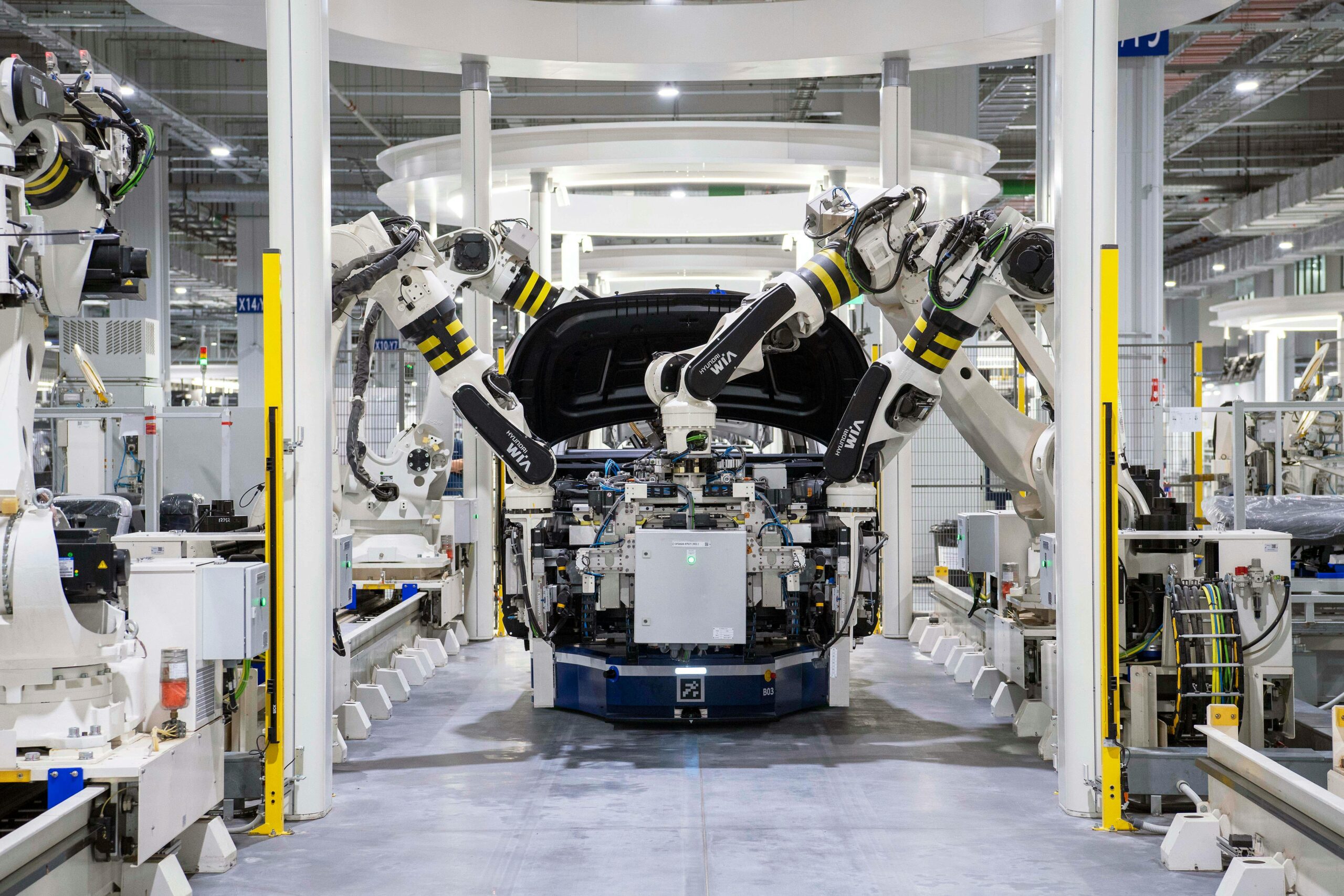
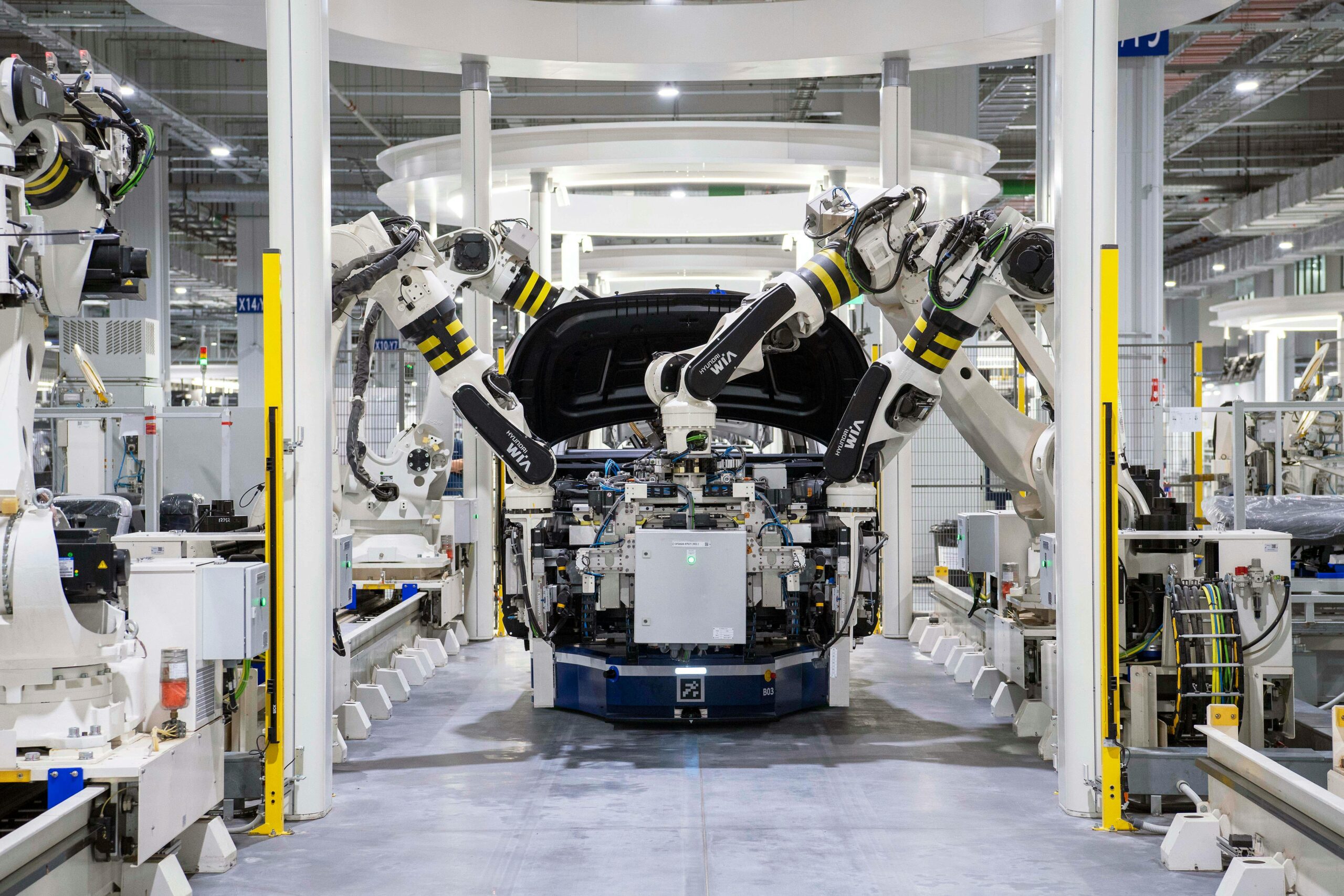
Advanced automation technologies are reducing the cost differential between centralized and distributed operations. As robotics become more affordable and scalable, distributed facilities can achieve efficiency levels previously exclusive to large centralized warehouses.
Micro-fulfillment centers utilizing automation represent an emerging hybrid model. These compact, highly automated facilities deploy in urban areas, combining the speed advantages of distribution with the efficiency benefits of automation.
Artificial Intelligence and Predictive Analytics
AI-powered demand forecasting enables more accurate inventory positioning decisions. Predictive analytics can identify optimal stock locations based on anticipated demand patterns, weather forecasts, social trends, and countless other variables that human planners cannot process effectively.
These technologies particularly benefit hybrid models by continuously optimizing inventory allocation across network nodes. Machine learning algorithms improve over time, progressively enhancing supply chain performance.
Sustainability Considerations
Environmental concerns increasingly influence supply chain decisions. Transportation represents a significant source of carbon emissions, creating pressure to optimize delivery networks. Both centralized and distributed models face sustainability scrutiny, driving innovation in green logistics.
Organizations must balance efficiency, service, and environmental responsibility. Some adopt distributed models specifically to reduce last-mile transportation emissions, while others centralize to minimize overall network complexity and resource consumption.
🎯 Making the Right Choice for Your Organization
Selecting optimal stockpile strategies requires thorough analysis of organizational circumstances, market conditions, and strategic priorities. No single approach suits all situations, and the best choice for one company may prove disastrous for another.
Begin by clearly defining strategic objectives. Organizations prioritizing cost minimization may favor centralized approaches, while those competing on service and speed typically require distributed networks. Understanding strategic priorities provides the foundation for informed decisions.
Conduct comprehensive financial analysis comparing total landed costs under different scenarios. Include all relevant expenses: transportation, warehousing, inventory carrying costs, technology requirements, and labor. Consider both steady-state operations and disruption scenarios.
Evaluate market expectations and competitive dynamics. Customer service requirements, competitor capabilities, and industry standards establish minimum performance thresholds. Your supply chain must meet or exceed these benchmarks regardless of internal efficiency preferences.
Consider organizational capabilities and resources. Distributed networks require sophisticated coordination and management capabilities. Ensure your organization possesses necessary skills, systems, and resources before committing to complex distribution strategies.
The centralized versus distributed stockpile decision represents a fundamental strategic choice that shapes supply chain performance, costs, and resilience. Both approaches offer distinct advantages, and the optimal solution depends on specific business contexts, product characteristics, and market requirements. Progressive organizations increasingly adopt hybrid models that strategically combine centralized and distributed elements, leveraging technology to optimize inventory positioning dynamically. As supply chains continue evolving, successful organizations will continuously reassess their stockpile strategies, adapting to changing market conditions, emerging technologies, and shifting customer expectations while maintaining the agility to respond to disruption and uncertainty.