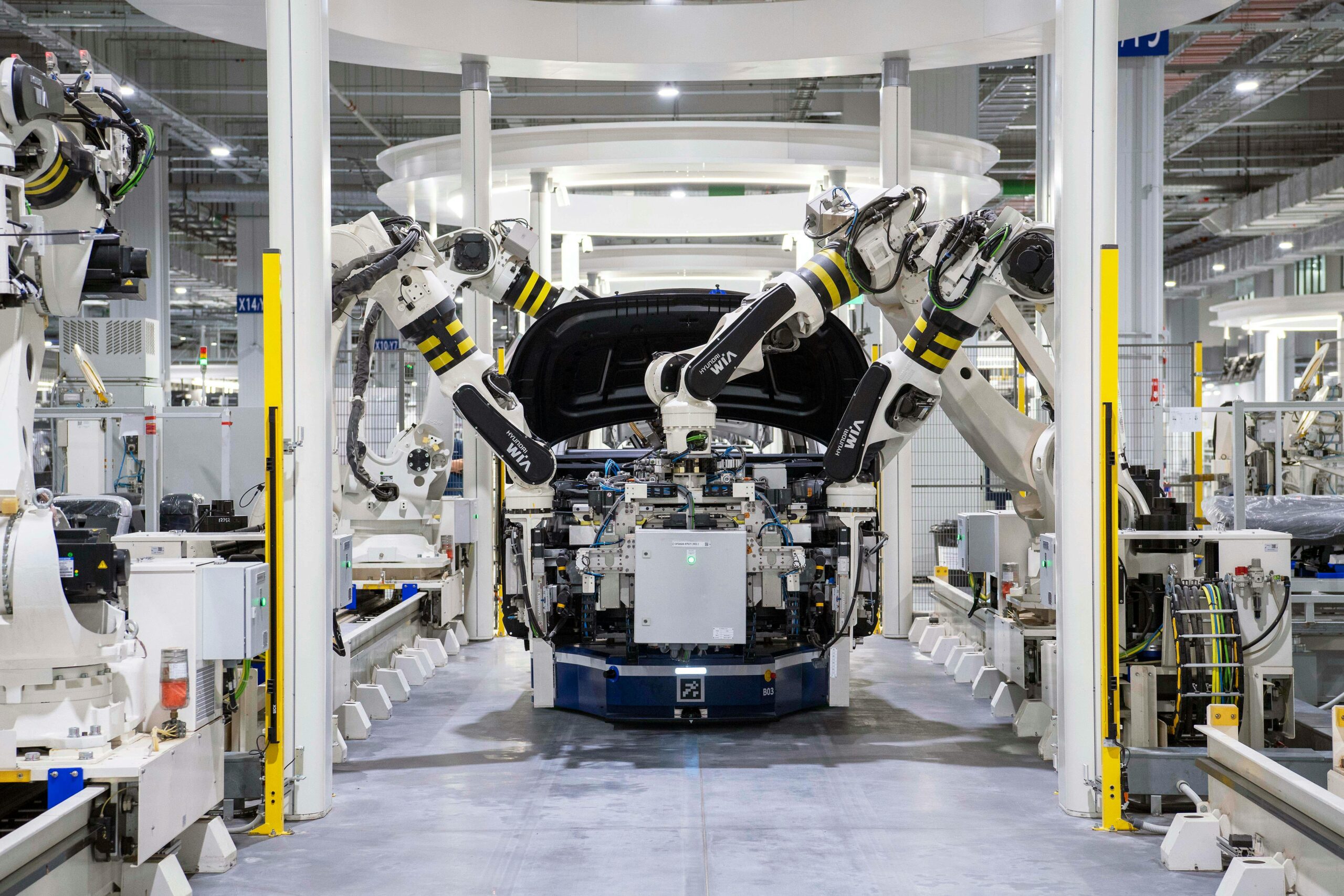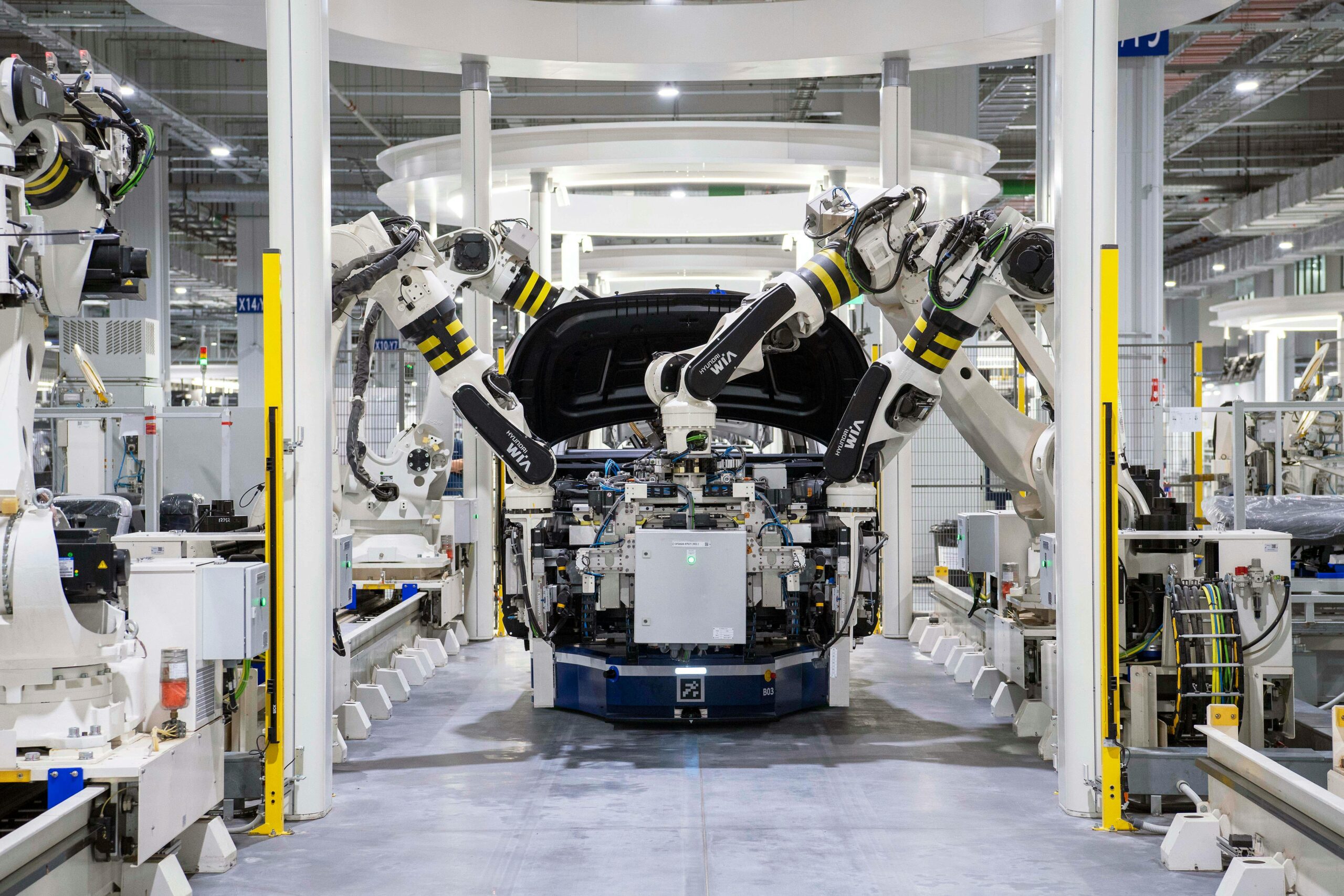
In today’s competitive manufacturing landscape, seamless production continuity isn’t just an advantage—it’s essential for survival and growth in modern business operations.

Manufacturing facilities worldwide lose billions of dollars annually due to unplanned downtime, production interruptions, and operational inefficiencies. Whether you’re managing a small production line or overseeing a multinational manufacturing operation, maintaining continuous production flow directly impacts your bottom line, customer satisfaction, and market position. The difference between thriving companies and struggling ones often comes down to how effectively they manage production continuity.
This comprehensive guide explores the fundamental principles, strategies, and technologies that enable businesses to achieve seamless production continuity while maximizing efficiency and minimizing costly downtime. Let’s dive into the transformative approaches that will power your business forward in an increasingly demanding marketplace.
🔍 Understanding Production Continuity in Modern Manufacturing
Production continuity refers to the uninterrupted flow of manufacturing processes, ensuring that goods move smoothly from raw materials to finished products without unnecessary delays, breakdowns, or disruptions. This concept extends beyond simply keeping machines running—it encompasses the entire ecosystem of people, processes, equipment, and systems that contribute to operational excellence.
When production continuity breaks down, the ripple effects extend far beyond the immediate stoppage. Delayed shipments disappoint customers, overtime costs escalate, quality issues emerge from rushed recovery efforts, and competitive advantages erode. Companies with robust production continuity strategies consistently outperform their competitors in profitability, customer retention, and market responsiveness.
The True Cost of Production Downtime
Understanding what’s at stake helps justify investments in continuity measures. Unplanned downtime costs manufacturers an estimated $50 billion annually in the United States alone. For automotive manufacturers, a single minute of downtime can cost up to $22,000. In pharmaceutical production, where batch integrity is critical, disruptions can result in complete product loss worth millions.
Beyond direct financial losses, downtime damages reputation, strains relationships with suppliers and customers, demoralizes workforce teams, and creates compounding delays that affect future production schedules. The hidden costs—emergency repairs, expedited shipping, quality compromises, and lost opportunities—often exceed the visible expenses by significant margins.
⚙️ Core Pillars of Seamless Production Continuity
Achieving true production continuity requires attention to several interconnected pillars that work together to create a resilient manufacturing environment. Neglecting any single pillar creates vulnerability that can compromise the entire operation.
Predictive Maintenance: Preventing Problems Before They Occur
Traditional reactive maintenance—fixing equipment after it breaks—is the enemy of production continuity. Progressive manufacturers have embraced predictive maintenance strategies that leverage sensors, data analytics, and machine learning to identify potential failures before they occur. This approach transforms maintenance from a disruptive necessity into a strategic advantage.
Modern predictive maintenance systems monitor vibration patterns, temperature fluctuations, oil quality, acoustic signatures, and dozens of other parameters that indicate equipment health. When algorithms detect anomalies suggesting impending failure, maintenance teams can schedule interventions during planned downtime rather than scrambling to respond to catastrophic breakdowns.
The transition from reactive to predictive maintenance typically reduces unplanned downtime by 30-50% while extending equipment lifespan by 20-40%. These improvements directly translate to enhanced production continuity and significant cost savings that quickly justify initial technology investments.
Digital Twin Technology and Real-Time Monitoring
Digital twins—virtual replicas of physical production systems—enable manufacturers to simulate, predict, and optimize operations without risking actual production. These sophisticated models integrate real-time data from sensors throughout the facility, creating a living digital representation that mirrors physical conditions with remarkable accuracy.
Through digital twin technology, production managers can test process changes virtually, identify bottlenecks before they impact throughput, optimize resource allocation, and develop contingency plans for various disruption scenarios. This capability transforms decision-making from reactive guesswork to proactive strategy based on comprehensive data analysis.
📊 Implementing Strategic Inventory Management
Production continuity depends heavily on having the right materials, components, and supplies available precisely when needed. Both excess inventory and stockouts threaten continuity—the former ties up capital and warehouse space, while the latter stops production cold.
Smart inventory management balances these competing concerns through sophisticated forecasting, just-in-time delivery coordination, strategic buffer stocks for critical components, and supplier relationship management. Advanced planning systems analyze historical patterns, seasonal variations, market trends, and supply chain dynamics to optimize inventory levels dynamically.
Building Supplier Resilience and Redundancy
Single-source dependencies create critical vulnerabilities that can devastate production continuity when suppliers experience their own disruptions. Recent global supply chain challenges have highlighted the risks of over-optimization that sacrifices resilience for minimal cost savings.
Forward-thinking manufacturers develop diversified supplier networks, maintain relationships with backup vendors for critical components, collaborate closely with key suppliers on continuity planning, and invest in visibility tools that provide early warning of potential supply disruptions. This strategic redundancy costs more than bare-minimum approaches but delivers invaluable protection against production-stopping shortages.
👥 Workforce Excellence: The Human Element of Continuity
Even the most advanced technology cannot compensate for an unprepared, unmotivated, or understaffed workforce. Production continuity requires skilled operators who understand their equipment, engaged maintenance technicians who take ownership of asset reliability, flexible cross-trained employees who can adapt to changing needs, and effective communication systems that keep everyone aligned.
Investing in comprehensive training programs, creating clear standard operating procedures, developing succession plans for critical roles, fostering a culture of continuous improvement, and implementing effective shift handoff protocols all strengthen the human foundation that supports seamless production flow.
Empowering Teams Through Technology
Modern mobile applications and connected worker platforms provide production teams with instant access to equipment manuals, troubleshooting guides, maintenance histories, and expert support regardless of location. These tools reduce downtime by accelerating problem resolution and enabling less experienced workers to handle situations that previously required specialist intervention.
Digital work instruction systems guide operators through complex procedures step-by-step, reducing errors that cause quality issues and production delays. Real-time collaboration tools connect floor workers with engineers, maintenance specialists, and managers, breaking down silos that traditionally slowed problem-solving.
🔄 Creating Robust Continuity Planning Frameworks
Despite best efforts at prevention, disruptions inevitably occur. Distinguishing world-class operations from average ones is how quickly and effectively they respond when problems arise. This resilience comes from comprehensive continuity planning that prepares teams for various scenarios before crises strike.
Effective business continuity plans for production environments should include detailed response protocols for common failure modes, clear escalation procedures with defined authority levels, pre-negotiated agreements with emergency service providers, backup systems for critical infrastructure, and regular simulation exercises that test and refine response capabilities.
Scenario Planning and Risk Assessment
Systematic risk assessment identifies which potential disruptions pose the greatest threats to production continuity based on probability and potential impact. This analysis enables intelligent resource allocation, focusing protection efforts where they deliver maximum value rather than spreading investments too thin across unlikely scenarios.
Common scenarios worth planning for include equipment failures on critical bottleneck assets, utility interruptions affecting power or water supply, cybersecurity incidents impacting control systems, key personnel unavailability, supplier disruptions for critical materials, quality issues requiring production holds, and natural disasters affecting facilities or infrastructure.
💡 Leveraging Industry 4.0 Technologies for Enhanced Continuity
The fourth industrial revolution brings transformative technologies that fundamentally enhance production continuity capabilities. Internet of Things (IoT) sensors provide unprecedented visibility into equipment condition and process performance. Artificial intelligence analyzes patterns across vast datasets to predict issues human observers would miss. Cloud computing enables sophisticated analytics without massive on-premise infrastructure investments.
Augmented reality systems guide maintenance technicians through complex repairs with visual overlays showing exactly where and how to work. Blockchain technology creates immutable records of component provenance and quality certifications that prevent counterfeit parts from compromising equipment reliability. Advanced robotics handle repetitive tasks with consistency humans cannot match while freeing workers for higher-value activities.
Integration: The Key to Technology Success
Individual technologies deliver limited value when deployed in isolation. True transformation comes from integrated systems where data flows seamlessly between manufacturing execution systems, enterprise resource planning platforms, maintenance management software, quality management systems, and supply chain tools. This integration creates a comprehensive operational picture that enables holistic decision-making.
Successful integration requires careful planning around data standards, system compatibility, cybersecurity protocols, and change management to ensure technology serves operational needs rather than creating additional complexity that hinders production continuity.
📈 Measuring and Improving Continuity Performance
What gets measured gets managed. Establishing clear metrics for production continuity enables objective assessment of current performance, identification of improvement opportunities, justification for continuity investments, and tracking of progress over time. Key performance indicators should balance leading indicators that predict future performance with lagging indicators that measure actual results.
Critical metrics for production continuity include Overall Equipment Effectiveness (OEE), Mean Time Between Failures (MTBF), Mean Time To Repair (MTTR), schedule attainment percentage, unplanned downtime hours and costs, inventory turnover rates, supplier on-time delivery performance, and quality yield rates. These metrics should be tracked consistently, analyzed for trends, and shared transparently across the organization to drive continuous improvement.
Continuous Improvement Culture
Metrics alone don’t improve performance—they simply illuminate opportunities. Translating data into results requires a culture where employees at all levels actively seek improvement opportunities, feel empowered to suggest and implement changes, receive recognition for contributions, and have access to resources for addressing identified issues.
Methodologies like Lean Manufacturing, Six Sigma, Total Productive Maintenance, and Theory of Constraints provide structured approaches for eliminating waste, reducing variation, maximizing asset utilization, and addressing system bottlenecks. When combined with robust metrics and supportive culture, these frameworks drive sustained performance improvements that compound over time.
🚀 The Competitive Advantage of Superior Continuity
Companies that achieve superior production continuity don’t just avoid the costs and disruptions their competitors face—they gain positive advantages that accelerate growth and profitability. Reliable production enables confident commitments to customers with shorter lead times than competitors can match. Consistent quality from stable processes builds reputation and justifies premium pricing. Lower operating costs from reduced downtime and waste improve margins and competitive positioning.
Superior continuity also enhances organizational agility, enabling rapid response to market opportunities that require production flexibility. When continuity is robust, introducing new products, scaling volumes, or adjusting to demand shifts becomes manageable rather than crisis-inducing. This responsiveness creates strategic options that rigid, disruption-prone operations cannot access.

🌟 Powering Your Business Forward Through Operational Excellence
The journey toward seamless production continuity is ongoing rather than a destination to reach and abandon. Markets evolve, technologies advance, equipment ages, workforces change, and competitive pressures intensify. Maintaining excellence requires sustained commitment to the principles, practices, and cultural elements that enable continuity even as specific tactics and technologies evolve.
Organizations that embed continuity thinking into their strategic planning, capital investment decisions, technology selections, workforce development, and daily operations position themselves for sustained success regardless of external challenges. The initial investments in predictive maintenance systems, integrated technologies, workforce training, and planning processes deliver returns that multiply over years through avoided losses, enhanced capabilities, and competitive advantages.
Production continuity ultimately represents much more than keeping machines running—it embodies operational excellence that touches every aspect of manufacturing performance. Companies that master continuity unlock efficiency gains that improve profitability, minimize disruptions that frustrate customers and employees, and build resilience that powers sustained growth even in challenging environments.
The competitive landscape increasingly rewards organizations that can reliably deliver quality products when customers need them while continuously improving efficiency and responsiveness. Seamless production continuity provides the foundation for meeting these demands, transforming manufacturing from a source of operational risk into a strategic asset that drives business success.
Your journey toward enhanced production continuity begins with honest assessment of current capabilities, clear-eyed identification of vulnerabilities and opportunities, strategic prioritization of improvement initiatives, and committed execution of plans with sustained leadership support. The organizations that make this commitment today will define industry leadership tomorrow, powered forward by operational excellence that competitors struggle to match. 🎯