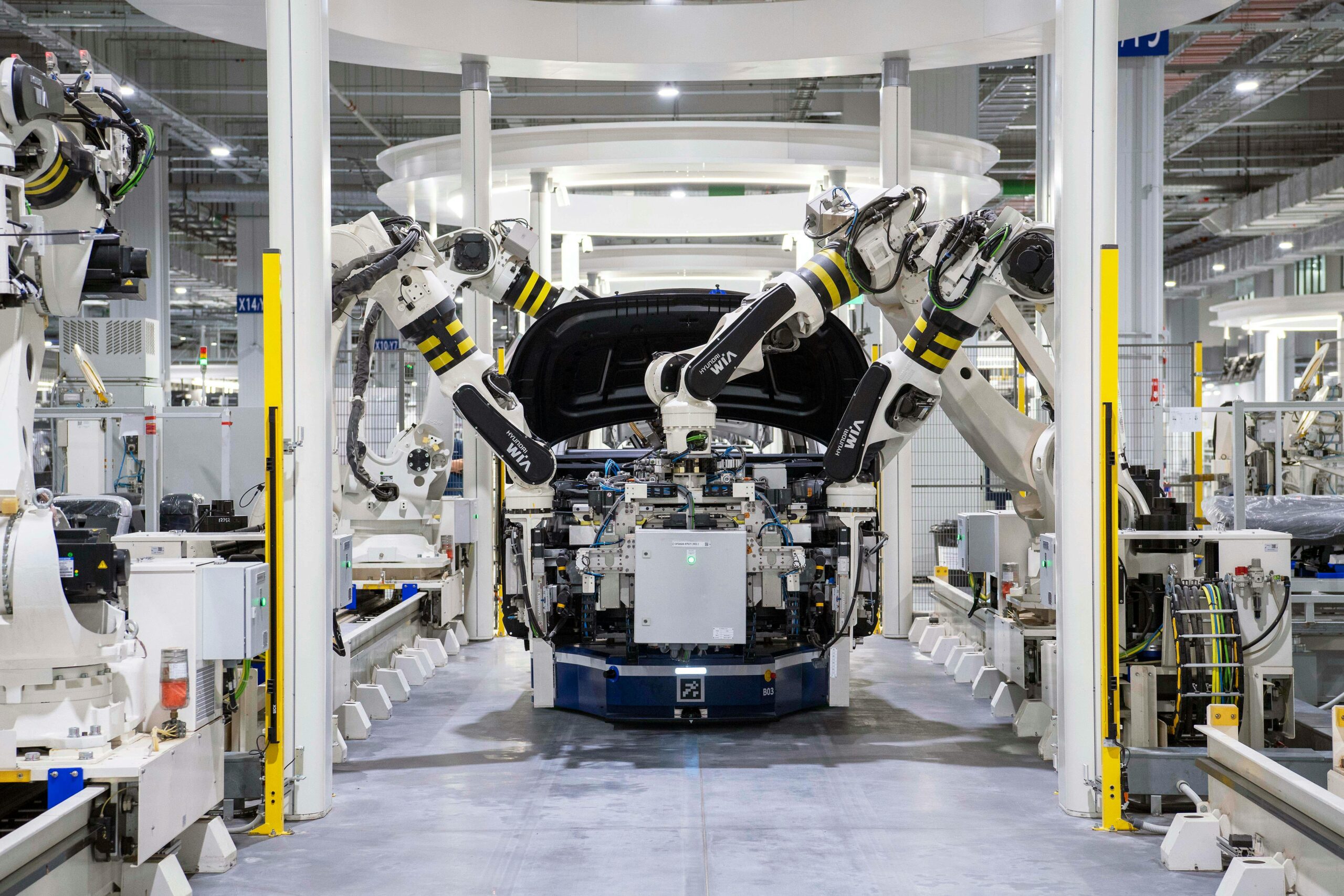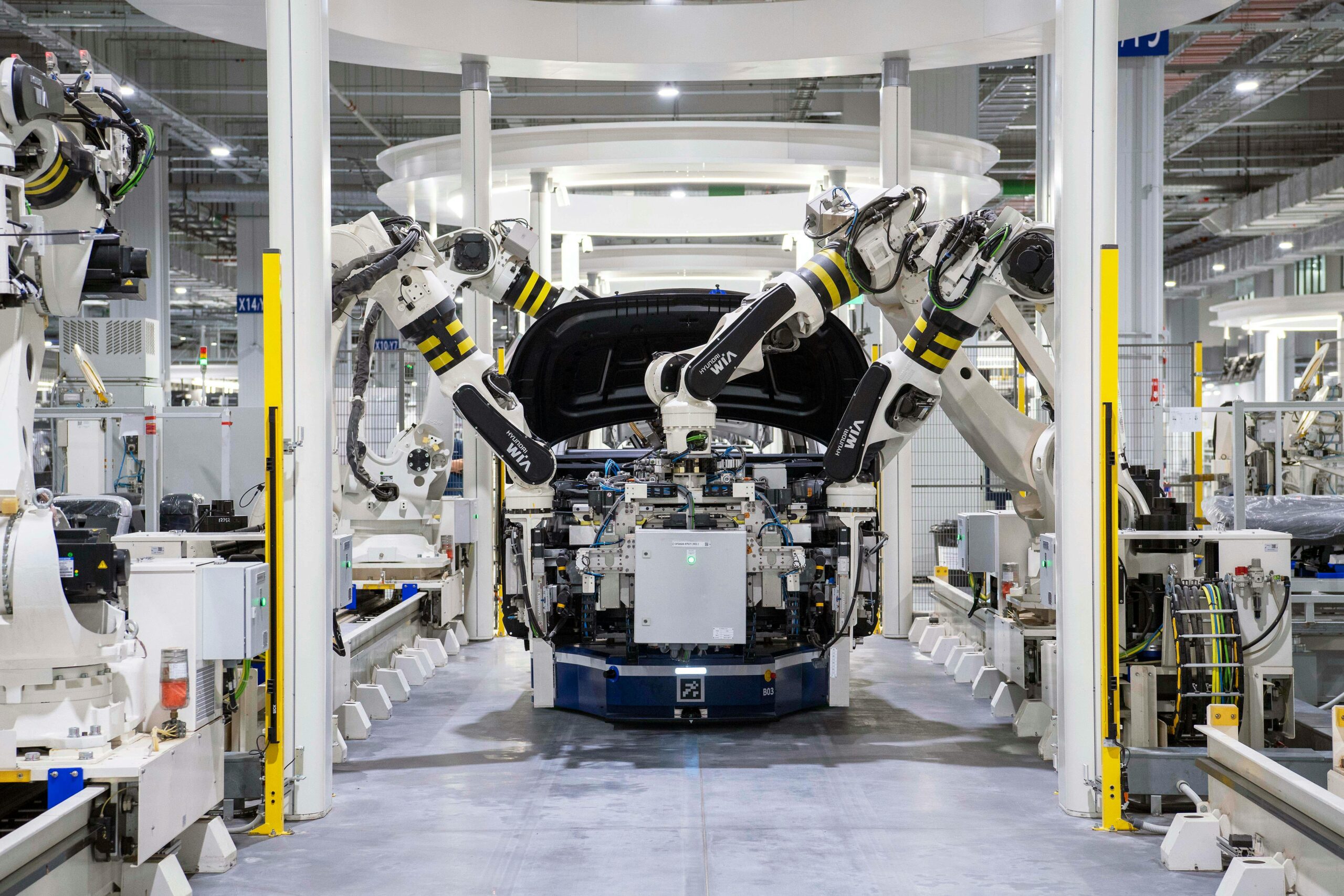
Synchronized production planning is no longer optional—it’s the competitive edge that separates thriving manufacturers from those struggling to keep pace in today’s dynamic marketplace.

Manufacturing environments have evolved dramatically over the past decade, demanding unprecedented levels of coordination across multiple departments, supply chains, and production lines. The complexity of modern operations requires a holistic approach where every element works in perfect harmony, creating a symphony of efficiency that drives profitability and customer satisfaction.
When production planning operates in silos, the consequences ripple throughout the entire organization. Delayed shipments, excess inventory, underutilized resources, and missed market opportunities become the norm rather than the exception. Conversely, when synchronization becomes the foundation of your planning strategy, you unlock potential that transforms operational performance and positions your organization for sustainable growth.
🎯 Understanding the Core Principles of Synchronized Production Planning
At its heart, synchronized production planning represents the strategic alignment of all manufacturing activities to achieve maximum efficiency while minimizing waste and delays. This approach requires visibility across the entire value chain, from raw material procurement to finished goods delivery.
The fundamental principle revolves around creating a unified rhythm where each department anticipates and responds to the needs of others in real-time. Rather than optimizing individual processes in isolation, synchronized planning considers the interdependencies between operations, ensuring that improvements in one area don’t create bottlenecks elsewhere.
This methodology differs significantly from traditional production planning approaches that often prioritize local optimization over system-wide performance. By embracing synchronization, manufacturers can reduce lead times by 30-40% while simultaneously improving on-time delivery rates and reducing working capital tied up in inventory.
The Digital Foundation for Synchronization Success
Modern synchronized production planning relies heavily on digital infrastructure that provides real-time visibility and enables rapid decision-making. Enterprise Resource Planning (ERP) systems, Manufacturing Execution Systems (MES), and Advanced Planning and Scheduling (APS) tools form the technological backbone of effective synchronization.
These systems create a single source of truth that all stakeholders can access, eliminating the information silos that plague traditional manufacturing environments. When sales, production, procurement, and logistics teams work from the same data set, coordination becomes exponentially easier and more effective.
Cloud-based platforms have revolutionized accessibility, allowing decision-makers to monitor production status, adjust schedules, and respond to disruptions from anywhere at any time. This flexibility proves invaluable in today’s global manufacturing landscape where supply chain disruptions can emerge without warning.
⚙️ Building Your Synchronized Production Planning Framework
Implementing synchronized production planning requires a structured approach that addresses both technological and organizational dimensions. The journey begins with a comprehensive assessment of current capabilities, identifying gaps between existing processes and the integrated system you aim to create.
Start by mapping your entire value stream, documenting every step from customer order receipt through product delivery. This exercise reveals hidden inefficiencies, redundant activities, and disconnects between departments that undermine overall performance. Understanding these pain points provides the roadmap for transformation.
Demand-Driven Planning as the Starting Point
Effective synchronization must begin with accurate demand signals. Traditional forecast-driven approaches often create misalignment between what’s produced and what customers actually want. Demand-driven planning methodologies position actual customer orders and consumption data as the primary trigger for production activities.
This approach reduces the bullwhip effect where small fluctuations in end-customer demand create increasingly larger swings in upstream production and procurement. By synchronizing production schedules directly with demand signals, manufacturers can operate with leaner inventories while maintaining higher service levels.
Strategic buffer placement becomes critical in demand-driven environments. Rather than maintaining safety stock at every stage, synchronized planning concentrates inventory at strategic decoupling points that protect against variability while minimizing total system inventory.
Constraint-Based Capacity Planning
Every production system has constraints—bottleneck resources that limit overall throughput. Synchronized production planning identifies these constraints and subordinates all other activities to maximize their utilization. This Theory of Constraints approach ensures that the entire system operates at the pace of its slowest critical resource.
When planning schedules, the constraint resource receives priority attention. Other work centers adjust their pace to feed the constraint at optimal intervals, preventing both starvation and excess work-in-process accumulation. This discipline creates smooth flow throughout the production environment.
- Identify system constraints through data analysis and observation
- Exploit constraints by eliminating non-value-added activities
- Subordinate all other resources to support constraint optimization
- Elevate constraint capacity through targeted investments
- Repeat the process as new constraints emerge
📊 Key Metrics That Drive Synchronization Excellence
What gets measured gets managed, and synchronized production planning requires metrics that reflect system-wide performance rather than departmental achievements. Traditional efficiency metrics often encourage behaviors that optimize local performance while degrading overall throughput.
Focus instead on throughput metrics that measure how quickly the system converts raw materials into delivered products. Throughput dollar days, for instance, quantify both the value of work in process and how long it’s been in the system, creating urgency around moving material rather than simply keeping equipment busy.
| Metric | Definition | Target Impact |
|---|---|---|
| Overall Equipment Effectiveness (OEE) | Availability × Performance × Quality | ≥85% for critical resources |
| Schedule Adherence | Percentage of orders completed on time | ≥95% consistency |
| Inventory Turns | Cost of goods sold ÷ Average inventory | Increase by 40-60% |
| Lead Time Reduction | Order receipt to delivery interval | Decrease by 30-50% |
| Perfect Order Rate | Complete, accurate, on-time deliveries | ≥98% achievement |
Real-Time Performance Monitoring
Static weekly or monthly reports can’t support the dynamic decision-making that synchronization requires. Digital dashboards provide real-time visibility into key performance indicators, alerting planners to deviations before they cascade into major disruptions.
Visual management systems on the production floor complement digital tools by making performance immediately visible to operators and supervisors. When everyone can see how actual performance compares to plan, the entire team can collaborate on maintaining synchronization throughout the shift.
🔄 Synchronizing Across the Extended Supply Chain
True production synchronization extends beyond your factory walls to encompass suppliers and customers. Isolated optimization within your facility delivers limited benefits when suppliers deliver late or in incorrect quantities, or when customers provide unreliable forecasts.
Collaborative planning with key suppliers creates upstream synchronization that ensures material availability without excessive safety stock. Sharing production schedules and demand forecasts allows suppliers to align their operations with your needs, reducing lead times and improving reliability.
Vendor-managed inventory programs represent an advanced form of supply chain synchronization where suppliers monitor your consumption and automatically replenish materials based on predetermined parameters. This approach transfers inventory holding costs while ensuring availability and freeing your team to focus on value-added activities.
Customer Integration for Demand Clarity
Downstream synchronization with customers provides the demand visibility that makes efficient planning possible. Electronic Data Interchange (EDI) connections, supplier portals, and collaborative forecasting processes give manufacturers earlier visibility into future requirements.
Some industries have adopted Vendor-Managed Inventory (VMI) arrangements where manufacturers monitor customer inventory levels and proactively replenish based on consumption patterns rather than waiting for purchase orders. This approach creates pull-based synchronization that dramatically reduces bullwhip effects.
💡 Technology Enablers for Seamless Synchronization
While process discipline forms the foundation of synchronized planning, technology accelerates implementation and sustains performance over time. Modern manufacturing software has evolved far beyond basic scheduling tools to provide intelligent decision support.
Artificial intelligence and machine learning algorithms now analyze historical patterns to predict demand more accurately, identify emerging constraints before they impact throughput, and recommend optimal schedule adjustments when disruptions occur. These capabilities augment human expertise rather than replacing it.
Digital Twin Technology for Scenario Planning
Digital twins create virtual replicas of your production environment that enable risk-free experimentation with different planning approaches. Before implementing a major schedule change or process modification, planners can test the impact in the digital environment and optimize the approach.
This technology proves particularly valuable when evaluating capital investments. By modeling new equipment or layout changes in the digital twin, you can quantify the expected throughput improvement and ensure the investment addresses actual constraints rather than simply adding capacity where it isn’t needed.
Internet of Things (IoT) for Real-Time Visibility
IoT sensors throughout the production environment provide the continuous data streams that make true synchronization possible. Equipment sensors monitor machine status, production rates, and quality parameters. Material tracking systems provide real-time location and quantity information. Environmental sensors ensure conditions remain within specification.
This sensor data feeds into analytics platforms that detect anomalies and trigger alerts when performance deviates from expectations. Rather than discovering problems during end-of-shift reviews, supervisors can intervene immediately to maintain synchronization.
🚀 Overcoming Implementation Challenges
Transitioning to synchronized production planning represents significant organizational change that inevitably encounters resistance. Employees accustomed to traditional planning methods may view synchronization as threatening their expertise or creating additional complexity.
Successful implementation requires comprehensive change management that addresses both the technical and human dimensions. Begin with education that helps stakeholders understand why synchronization matters and how it benefits both the organization and individuals. When people understand the “why” behind changes, they’re more likely to embrace new approaches.
Start with pilot projects in limited areas rather than attempting enterprise-wide transformation immediately. These pilots generate quick wins that build credibility and provide learning opportunities before scaling across the organization. Document lessons learned and best practices from early implementations to accelerate subsequent rollouts.
Building Cross-Functional Collaboration
Synchronized planning breaks down the departmental silos that characterize traditional organizations. Sales, operations, finance, and supply chain teams must collaborate continuously rather than coordinating only at monthly planning meetings. This requires new communication channels, shared metrics, and collaborative problem-solving approaches.
Regular cross-functional synchronization meetings—often called Sales and Operations Planning (S&OP) or Integrated Business Planning (IBP)—create the forum for alignment. These sessions balance demand requirements against capacity constraints, resolve conflicts, and make trade-off decisions that optimize overall system performance.
🎓 Continuous Improvement for Sustained Excellence
Implementing synchronized production planning isn’t a one-time project but rather an ongoing journey of continuous improvement. Markets evolve, customer requirements change, and new constraints emerge. Your planning system must adapt continuously to maintain optimal performance.
Establish regular review cycles that assess synchronization effectiveness and identify improvement opportunities. Monthly reviews might focus on tactical adjustments while quarterly strategic sessions evaluate whether fundamental assumptions remain valid and whether new capabilities should be developed.
Encourage frontline employees to identify synchronization breakdowns and suggest improvements. Those closest to the work often spot inefficiencies that managers miss from their distance. Creating channels for this feedback and responding promptly to suggestions builds engagement and accelerates improvement.
Benchmarking Against Industry Leaders
Understanding how your synchronization performance compares to industry leaders provides perspective on remaining improvement potential. Industry associations, consulting firms, and academic research often publish benchmark data that highlights best-in-class performance levels.
These comparisons should inspire rather than discourage. Significant gaps indicate opportunity for dramatic improvement rather than evidence of failure. Study what leading organizations do differently and adapt their practices to your specific context.

🌟 The Competitive Advantage of Masterful Synchronization
Organizations that master synchronized production planning achieve performance levels that seem impossible to competitors still operating with traditional approaches. Lead times that others measure in weeks shrink to days. Inventory levels that consume massive working capital for competitors represent just a fraction of sales for synchronized manufacturers.
This operational excellence translates directly into competitive advantage. Shorter lead times enable faster response to market opportunities and changing customer requirements. Lower inventory levels free working capital for innovation and growth initiatives. Higher reliability builds customer loyalty and enables premium pricing.
Perhaps most importantly, synchronized organizations develop organizational capabilities that compound over time. The discipline of continuous improvement, the habit of data-driven decision-making, and the culture of cross-functional collaboration become embedded in how the organization operates, creating sustainable competitive advantages that competitors struggle to replicate.
The journey to synchronization mastery requires commitment, discipline, and patience. Initial implementations may feel uncomfortable as teams adapt to new ways of working. Some early attempts will reveal unanticipated complications that require adjustment. These challenges represent the natural learning process rather than indicators of approach failure.
Organizations that persist through these early challenges emerge with capabilities that transform performance and position them for long-term success. The efficiency gains, productivity improvements, and competitive advantages that synchronized production planning delivers justify the investment many times over, creating value that flows directly to the bottom line while enhancing customer satisfaction and employee engagement.
Your manufacturing organization faces a choice: continue with planning approaches designed for yesterday’s competitive environment, or embrace synchronization as the pathway to excellence in tomorrow’s marketplace. The tools, methodologies, and best practices exist today to implement world-class synchronized production planning. The question isn’t whether synchronization works—countless success stories prove its effectiveness—but rather when you’ll begin the transformation journey that unlocks your organization’s full potential.