In today’s competitive industrial landscape, businesses must ensure continuous production while minimizing downtime. Redundant production lines have emerged as a strategic solution to achieve operational excellence and uninterrupted manufacturing capabilities.

🏭 Understanding Redundant Production Lines in Modern Manufacturing
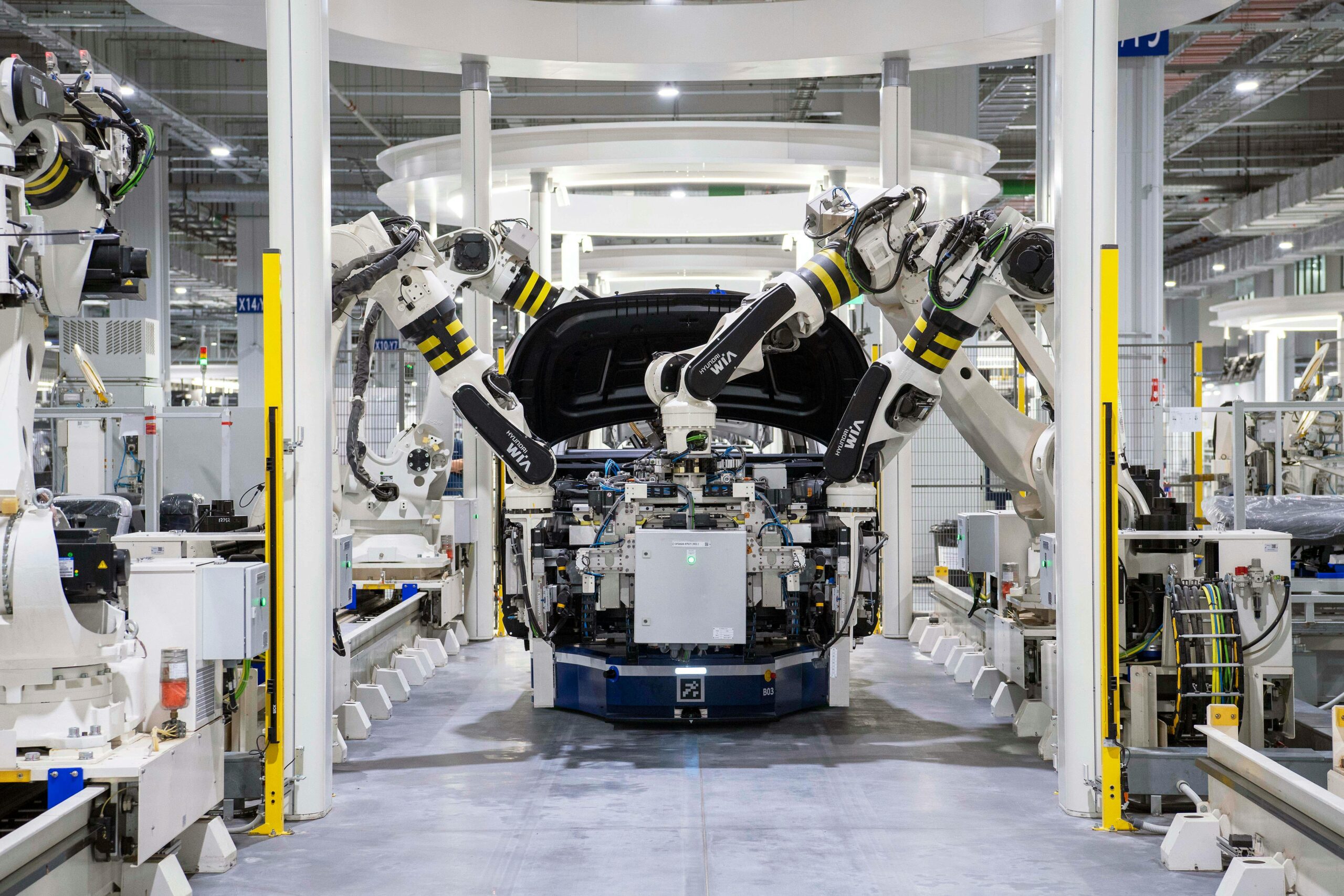
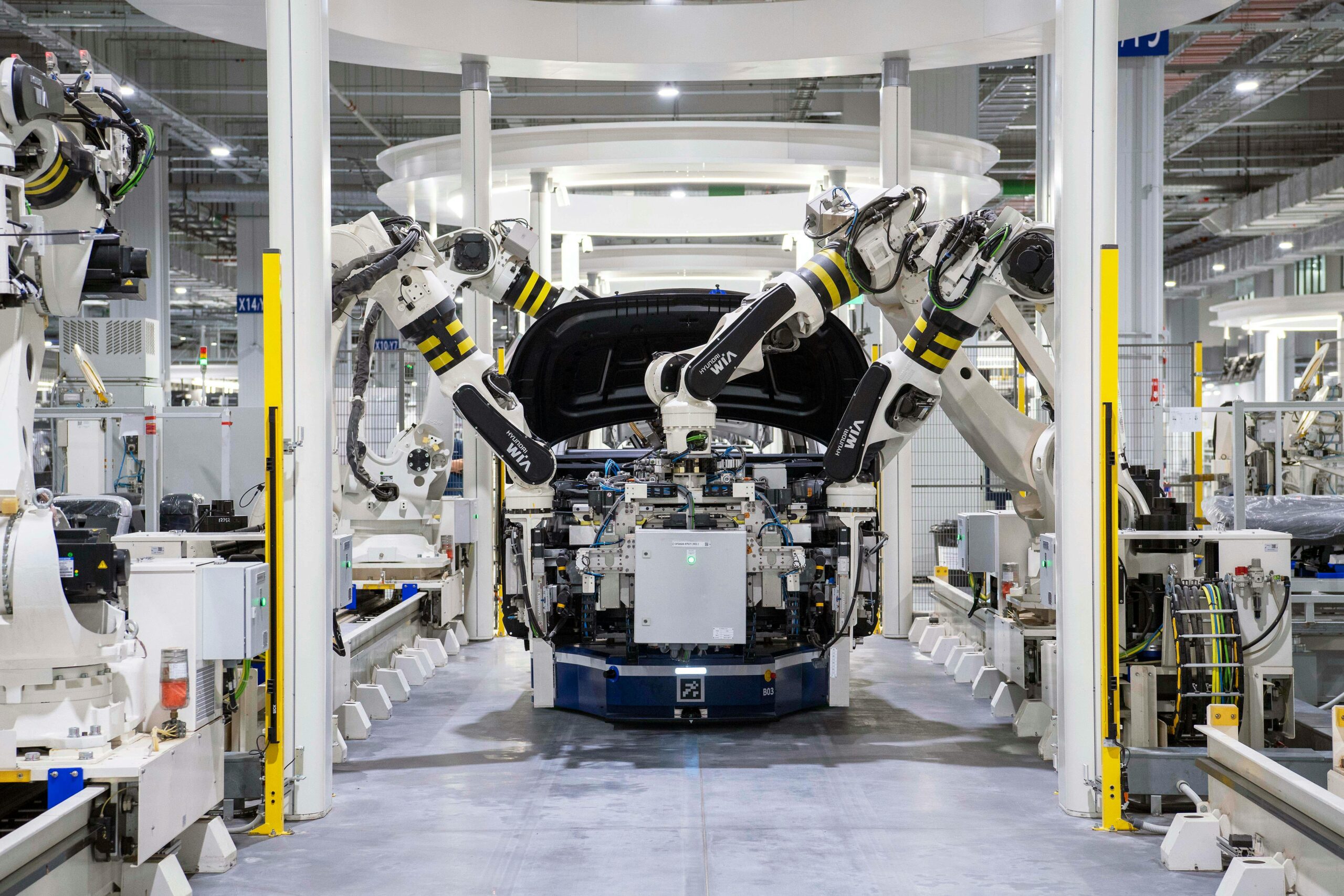
Redundant production lines represent a fundamental shift in how manufacturers approach operational continuity. Rather than relying on a single production system, companies implement multiple parallel lines capable of producing identical products. This approach creates a safety net that protects against unexpected failures, maintenance requirements, and demand fluctuations.
The concept extends beyond simple duplication. Strategic redundancy involves carefully designed systems where backup lines can activate seamlessly when primary operations face challenges. This architecture ensures that production targets remain achievable regardless of individual line performance or availability.
Manufacturing facilities implementing redundancy often discover benefits extending far beyond basic backup capabilities. These systems enable flexibility in production scheduling, facilitate maintenance without complete shutdowns, and provide opportunities for continuous improvement through comparative performance analysis.
💡 Core Benefits of Implementing Production Line Redundancy
The advantages of redundant production systems manifest across multiple operational dimensions. Organizations that invest in this approach consistently report improvements in reliability, customer satisfaction, and bottom-line performance.
Enhanced Operational Reliability and Uptime
Production reliability stands as the primary driver for redundancy investment. When one line experiences technical difficulties, alternative lines maintain output without disrupting delivery schedules. This capability proves particularly valuable in industries where contractual obligations include strict delivery penalties or where customer relationships depend on consistent supply.
Statistics from manufacturing sectors show that facilities with redundant systems achieve uptime rates exceeding 95%, compared to 85-90% for single-line operations. This difference translates directly into revenue protection and market competitiveness.
Flexible Maintenance Scheduling
Maintenance activities no longer require complete production halts when redundant lines exist. Teams can perform preventive maintenance, upgrades, or repairs on individual lines while others continue operating. This flexibility eliminates the pressure to rush maintenance procedures, ultimately improving equipment longevity and reducing catastrophic failure risks.
Planned maintenance windows become more frequent and less disruptive, allowing organizations to maintain equipment at optimal performance levels continuously rather than deferring maintenance until scheduled shutdowns.
Demand Surge Accommodation
Market demands fluctuate unpredictably, and redundant production lines provide the capacity to respond quickly. During peak periods, activating additional lines increases output without requiring new equipment purchases or facility expansions. This scalability proves invaluable for seasonal businesses or those experiencing rapid growth.
🔧 Strategic Design Considerations for Redundant Systems
Implementing redundancy requires thoughtful planning and design. Simply duplicating existing production lines without strategic consideration may create inefficiencies rather than solving problems.
Capacity Planning and Load Balancing
Determining appropriate redundancy levels involves analyzing production requirements, failure probabilities, and financial constraints. Some operations require full redundancy where backup lines match primary capacity completely. Others benefit from partial redundancy, where backup systems provide 50-70% of primary capacity.
Load balancing strategies distribute production across multiple lines simultaneously rather than designating primary and backup systems. This approach ensures all equipment receives regular use, preventing degradation from inactivity while equalizing wear patterns.
Equipment Standardization vs. Diversification
Organizations face important decisions regarding equipment consistency across redundant lines. Standardization simplifies training, maintenance, and spare parts management. Technicians become proficient with specific equipment types, and inventory requirements decrease when all lines use identical components.
However, diversification offers protection against systematic failures. If all lines use identical equipment, a design flaw or common failure mode could compromise the entire system simultaneously. Mixing equipment from different manufacturers or technology generations reduces this vulnerability.
Physical Layout and Infrastructure Requirements
Facility design significantly impacts redundancy effectiveness. Separating redundant lines physically protects against localized incidents like fires, floods, or structural issues. Shared utilities represent potential single points of failure—redundant power supplies, compressed air systems, and cooling infrastructure ensure one line’s utility failure doesn’t cascade to others.
Space requirements for redundant systems extend beyond production equipment. Adequate material staging areas, quality control stations, and personnel facilities must support increased capacity when multiple lines operate simultaneously.
📊 Financial Analysis of Redundancy Investment
Redundant production systems require substantial capital investment, making financial justification essential. Comprehensive cost-benefit analysis considers both direct costs and broader business impacts.
Direct Cost Components
Initial investment includes equipment procurement, installation, facility modifications, and commissioning. Ongoing costs encompass maintenance, utilities, insurance, and depreciation. These expenses must balance against potential revenue losses from production interruptions without redundancy.
Calculating break-even points involves estimating downtime frequency and duration, along with associated costs including lost production, customer penalties, expedited shipping, and market share erosion. Many organizations discover that redundancy pays for itself through avoiding just one or two major disruptions.
Risk Mitigation Value
Beyond direct financial calculations, redundancy provides insurance against catastrophic business impacts. For manufacturers supplying critical industries—medical devices, aerospace components, or infrastructure materials—production failures can trigger legal liabilities, regulatory consequences, and permanent customer losses worth far more than equipment costs.
This risk mitigation value becomes particularly significant for companies operating in sole-source arrangements or those whose products represent critical components in customer supply chains.
🎯 Operational Best Practices for Redundant Line Management
Maximizing redundancy benefits requires disciplined operational practices and continuous attention to system performance.
Regular Rotation and Exercise
Backup systems that remain idle for extended periods often fail when activated during emergencies. Regular rotation schedules ensure all lines receive consistent use, keeping equipment functional and operators proficient. This practice also identifies potential issues during controlled conditions rather than crisis situations.
Exercise protocols should simulate various failure scenarios, testing switchover procedures and validating that backup systems can truly meet production requirements.
Performance Monitoring and Analytics
Modern manufacturing operations leverage data analytics to optimize redundant system performance. Monitoring key metrics across all production lines reveals patterns indicating emerging problems before failures occur. Comparative analysis identifies efficiency differences, enabling continuous improvement initiatives.
Real-time dashboards provide operators and management with visibility into system status, facilitating informed decisions about line activation, maintenance scheduling, and capacity allocation.
Cross-Training and Workforce Development
Redundant production capabilities require workforce redundancy as well. Cross-training programs ensure sufficient personnel can operate all production lines effectively. This flexibility proves essential when running multiple lines simultaneously or covering absences without production impacts.
Investment in workforce development compounds redundancy benefits by creating organizational resilience extending beyond physical equipment.
🌐 Industry-Specific Applications and Case Studies
Different industries implement redundancy strategies tailored to their unique requirements and constraints.
Pharmaceutical Manufacturing
Pharmaceutical producers face stringent regulatory requirements and zero-tolerance quality standards. Redundant production lines enable continuous supply of critical medications while maintaining compliance during equipment validation, cleaning, or maintenance. The industry commonly implements full redundancy with identical equipment to simplify regulatory approval processes.
Automotive Component Production
Just-in-time manufacturing principles in automotive supply chains leave little buffer for production disruptions. Component manufacturers utilize redundant lines to guarantee delivery commitments, often distributing production across multiple geographic locations for additional resilience against regional disruptions.
Food and Beverage Processing
Seasonal demand variations and perishable inventory characteristics make redundancy particularly valuable in food processing. Additional capacity handles peak periods without permanent oversizing, while redundancy ensures product availability despite equipment sanitation requirements and ingredient supply variations.
⚙️ Technology Integration for Enhanced Redundancy
Modern technologies amplify redundancy effectiveness through automation, connectivity, and intelligent systems management.
Industrial IoT and Predictive Maintenance
Internet of Things sensors throughout production equipment provide continuous condition monitoring. Machine learning algorithms analyze this data to predict failures before they occur, enabling proactive maintenance scheduling that minimizes unplanned downtime. When integrated with redundant systems, predictive maintenance allows seamless transitions to backup lines before primary systems fail.
Automated Switchover Systems
Advanced control systems detect production anomalies and automatically activate redundant capacity without human intervention. These systems reduce response times from minutes to seconds, minimizing production losses during transitions. Automated switchover proves particularly valuable during unmanned shifts or when multiple simultaneous issues require rapid response.
Digital Twin Technology
Virtual replicas of physical production lines enable simulation and optimization without disrupting actual operations. Digital twins test configuration changes, evaluate maintenance strategies, and train personnel in risk-free environments. For redundant systems, this technology facilitates capacity planning and validates switchover procedures before real-world implementation.
🚀 Future Trends in Production Redundancy
Manufacturing redundancy continues evolving alongside broader industry trends toward flexibility, sustainability, and resilience.
Modular production systems represent emerging approaches where standardized units can be rapidly deployed, reconfigured, or relocated. This modularity provides redundancy benefits while offering unprecedented flexibility to adapt production capacity to changing market demands.
Distributed manufacturing models disperse production across multiple smaller facilities rather than concentrating in large centralized plants. This geographic redundancy protects against regional disruptions while potentially reducing logistics costs and environmental impacts.
Sustainability considerations increasingly influence redundancy decisions. Energy-efficient equipment, renewable power integration, and circular economy principles shape how organizations design and operate redundant production systems. Companies seek redundancy strategies that enhance both operational resilience and environmental performance.
🎓 Implementation Roadmap for Organizations
Organizations considering redundant production systems benefit from structured implementation approaches that manage complexity and risk.
Initial assessment phases evaluate current production capabilities, identify vulnerability points, and quantify downtime impacts. This analysis establishes business cases and prioritizes redundancy investments where they deliver maximum value.
Pilot programs testing redundancy concepts on limited scale provide learning opportunities before full implementation. These pilots validate technical approaches, refine operational procedures, and build organizational confidence in redundancy strategies.
Phased rollout schedules spread capital requirements over time while progressively building redundancy coverage. This approach allows organizations to apply lessons learned from initial implementations to subsequent phases, continuously improving design and execution.
🔐 Building Resilient Operations Through Strategic Redundancy
The manufacturing landscape demands ever-increasing reliability as supply chains tighten and customer expectations rise. Redundant production lines represent strategic investments that transcend simple backup capabilities, creating flexible, resilient operations capable of thriving amid uncertainty.
Organizations that thoughtfully implement redundancy gain competitive advantages through reliable delivery, responsive capacity, and operational excellence. These systems enable businesses to commit confidently to customer requirements, knowing production capabilities can weather unexpected challenges.
Success requires more than equipment purchases—it demands integrated approaches combining technology, processes, and people. When designed strategically and managed effectively, redundant production lines transform from cost centers into value-creating assets that drive business growth and market leadership.
As manufacturing continues evolving, redundancy principles adapt to new technologies and business models while maintaining core purpose: ensuring operations continue regardless of circumstances. This fundamental capability positions organizations for sustainable success in increasingly complex and competitive markets.