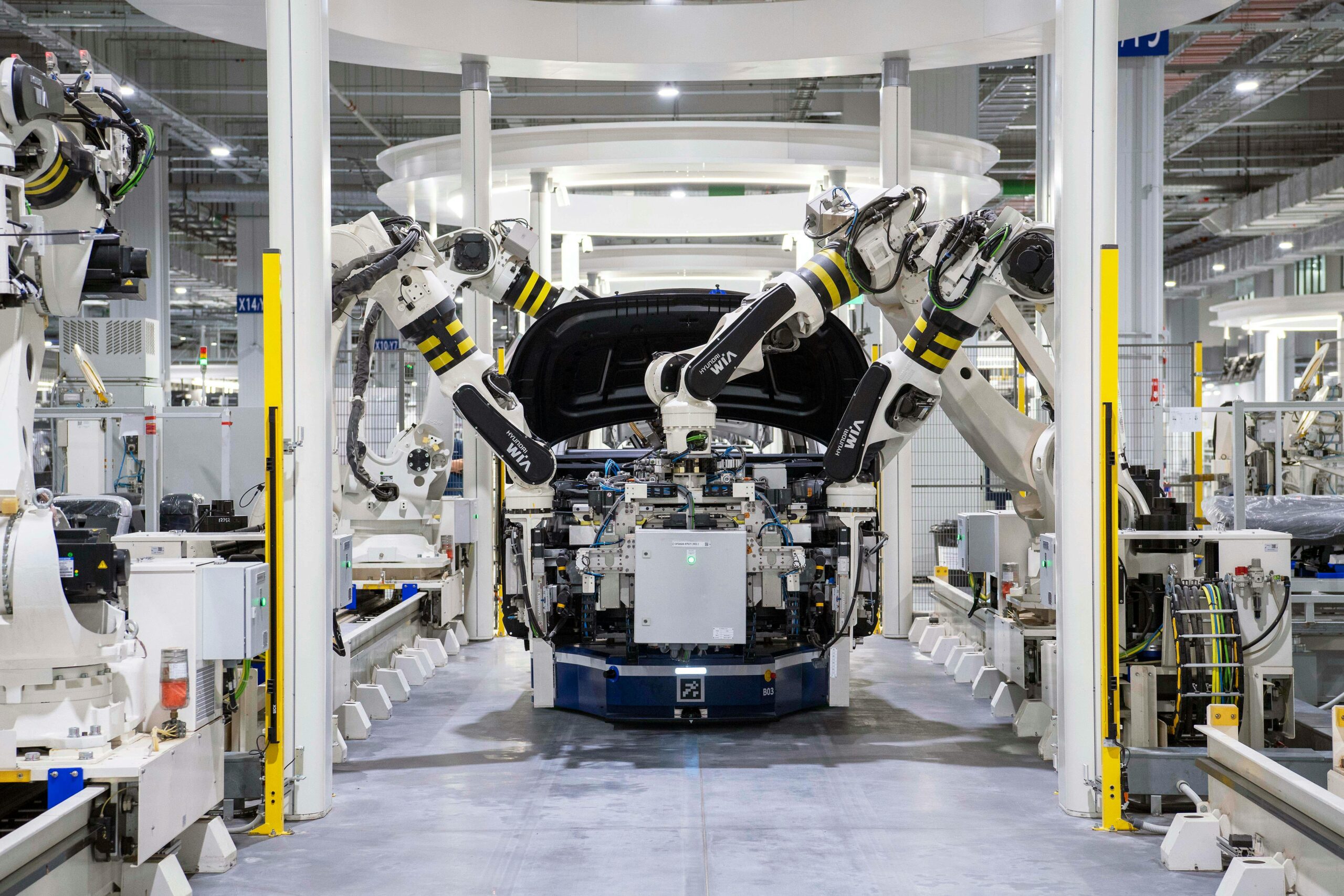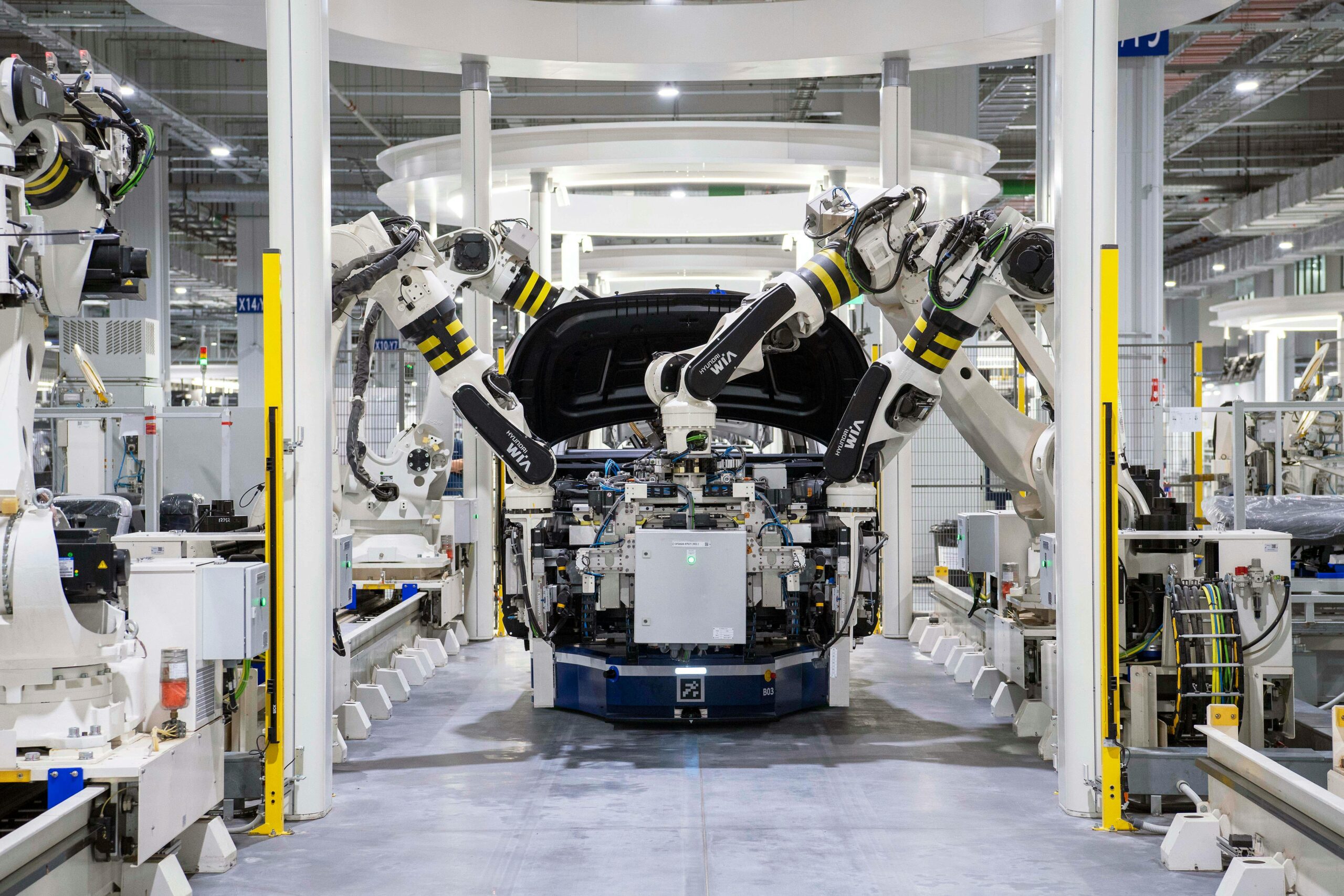
Manufacturing companies face unprecedented pressure to scale operations while maintaining quality and controlling costs in today’s competitive global market.

The challenge of scaling production efficiently has never been more critical. As businesses expand, they must balance growth ambitions with operational realities, seeking solutions that adapt to fluctuating demand, integrate new technologies, and maintain profitability. The traditional manufacturing model—built on rigid processes and fixed infrastructure—no longer serves the dynamic needs of modern enterprises.
Scalable manufacturing represents a paradigm shift in how companies approach production. It’s about creating systems that grow with your business, deploying flexible solutions that respond to market changes, and implementing strategies that maximize efficiency without sacrificing quality. Whether you’re a small manufacturer planning expansion or an established enterprise seeking optimization, understanding scalable manufacturing principles can transform your operations and unlock sustainable growth.
🏭 Understanding the Foundation of Scalable Manufacturing
Scalable manufacturing refers to the capacity of production systems to increase or decrease output efficiently without proportional increases in costs or resources. Unlike traditional scaling, which often requires massive capital investments in fixed assets, scalable manufacturing leverages flexibility, modularity, and intelligent resource allocation.
The core principle involves designing production processes that can adapt seamlessly to volume changes. This means investing in equipment and systems that handle variable production loads, training a versatile workforce capable of managing multiple tasks, and implementing technology that provides real-time visibility into operations.
Modern scalable manufacturing integrates digital technologies with lean principles. Manufacturers can now use IoT sensors, data analytics, and automation to create responsive production environments that adjust to demand fluctuations automatically. This technological foundation enables businesses to scale up during peak periods and scale down during slower times without incurring excessive overhead costs.
The Economic Imperative for Flexibility
Market volatility has become the new normal. Consumer preferences shift rapidly, supply chains face disruptions, and competitive pressures intensify daily. Companies locked into inflexible production models find themselves unable to respond quickly enough, losing market share to more agile competitors.
Flexible manufacturing solutions deliver measurable financial benefits. Research shows that companies implementing scalable systems reduce operational costs by 20-30% while improving production throughput by up to 40%. These improvements stem from better resource utilization, reduced waste, and the ability to capture opportunities that rigid systems would miss.
💡 Strategic Approaches to Manufacturing Scalability
Building scalable manufacturing capabilities requires strategic thinking across multiple dimensions. Success depends on coordinating technological investments, process redesign, workforce development, and supply chain optimization into a coherent framework.
Modular Production Systems
Modularity represents one of the most powerful strategies for scalable manufacturing. By designing production lines as interconnected modules rather than monolithic systems, manufacturers gain extraordinary flexibility. Individual modules can be added, removed, or reconfigured based on current needs without disrupting entire operations.
Modular systems excel in multi-product environments. A manufacturer producing several product variations can quickly reconfigure modules to shift production focus. This approach minimizes changeover times and eliminates the need for completely separate production lines for each product variant.
Investment in modular equipment pays dividends over time. While initial costs may be higher than traditional fixed systems, the ability to incrementally expand capacity as demand grows reduces financial risk and improves capital efficiency. Companies can start with essential modules and add capacity precisely when needed rather than over-investing in anticipation of future growth.
Digital Manufacturing Infrastructure
Digital transformation provides the nervous system for scalable manufacturing. Connected sensors, manufacturing execution systems (MES), and enterprise resource planning (ERP) platforms create visibility across the entire production ecosystem.
Real-time data collection enables dynamic decision-making. When production metrics indicate bottlenecks forming, managers can immediately reallocate resources or adjust schedules. This responsiveness prevents small issues from cascading into major disruptions and ensures consistent throughput even as production volumes fluctuate.
Predictive analytics takes scalability further by forecasting maintenance needs, quality issues, and capacity constraints before they impact operations. Machine learning algorithms identify patterns in production data, enabling proactive interventions that maintain efficiency as operations scale.
⚙️ Technology Enablers for Flexible Production
Technology serves as the primary enabler of manufacturing scalability. The right technological investments create production environments that adapt automatically to changing conditions, optimize resource utilization, and support continuous improvement.
Automation and Robotics
Industrial automation has evolved beyond simple repetitive tasks. Modern collaborative robots (cobots) work alongside human operators, handling variable tasks and adapting to different production requirements. These systems provide the flexibility to scale labor-intensive operations without proportional workforce increases.
Robotic systems excel at handling production variability. Programmable robots can switch between tasks quickly, supporting small-batch production runs economically. This capability enables manufacturers to serve niche markets and customize products without sacrificing efficiency.
The economics of automation have improved dramatically. Falling equipment costs and rising labor expenses have made automation accessible to small and medium manufacturers. Robotic process automation (RPA) now delivers positive ROI within 18-24 months for many applications, making it a viable scalability strategy across company sizes.
Cloud-Based Manufacturing Platforms
Cloud computing eliminates traditional IT constraints that limited manufacturing scalability. Cloud-based systems provide unlimited computing capacity, enabling sophisticated analytics and simulation without massive infrastructure investments. Manufacturers can deploy advanced capabilities incrementally, paying only for resources consumed.
Cloud platforms facilitate collaboration across distributed manufacturing networks. Multiple facilities can share real-time data, coordinate production schedules, and optimize resource allocation enterprise-wide. This connectivity enables global manufacturers to balance loads across facilities, maximizing capacity utilization.
Software-as-a-service (SaaS) manufacturing applications reduce barriers to adopting advanced capabilities. Rather than purchasing and maintaining expensive software licenses, manufacturers can subscribe to MES, quality management, and supply chain planning tools that scale with their needs.
📊 Operational Excellence Through Process Optimization
Technology alone doesn’t deliver scalability—optimized processes form the foundation. Manufacturing operations must be systematically refined to eliminate waste, reduce variability, and create capacity for growth without additional resources.
Lean Manufacturing Principles
Lean methodology provides proven frameworks for scalable operations. By systematically eliminating non-value-adding activities, manufacturers create capacity headroom that supports growth. Value stream mapping identifies bottlenecks and inefficiencies that limit throughput, providing roadmaps for improvement.
Continuous flow production minimizes work-in-process inventory and reduces cycle times. Manufacturing cells organized around product families process work continuously rather than in batches, creating responsive production systems that adapt quickly to demand changes. This approach dramatically improves capital efficiency by reducing inventory carrying costs.
Standardized work establishes best practices that ensure consistent execution as operations scale. When processes are standardized, training new workers becomes faster and quality remains consistent despite production volume increases. Standard work also provides baselines for measuring improvement initiatives.
Quality Management Systems
Quality cannot be sacrificed for scalability. Integrated quality management systems ensure that growth doesn’t compromise product standards. Statistical process control monitors production metrics in real-time, detecting deviations before defects occur.
Quality at the source empowers production workers to identify and address issues immediately. Rather than relying on end-of-line inspection, manufacturers build quality into each process step. This approach prevents defects from propagating through production, reducing scrap costs and improving first-pass yield.
Root cause analysis methodologies like Six Sigma provide structured approaches to eliminating chronic quality problems. By systematically addressing underlying causes rather than symptoms, manufacturers create more stable processes that maintain quality standards at any production volume.
👥 Building a Scalable Workforce
Human capital represents the most critical element of scalable manufacturing. Flexible production requires versatile workers who can adapt to changing demands, operate diverse equipment, and contribute to continuous improvement.
Cross-Training and Skill Development
Cross-functional training creates workforce flexibility that supports scalability. Workers trained on multiple processes can shift between production areas based on demand, preventing bottlenecks and maximizing labor utilization. This flexibility reduces dependence on specialized workers whose absence can disrupt operations.
Structured skill development programs ensure capabilities grow with the business. As manufacturers adopt new technologies and processes, systematic training maintains workforce competence. Digital learning platforms deliver consistent training at scale, enabling rapid onboarding as the workforce expands.
Competency-based advancement paths motivate workers to develop broader skills. When employees see clear connections between skill acquisition and career progression, they actively pursue cross-training opportunities. This intrinsic motivation builds the versatile workforce scalable manufacturing requires.
Workforce Analytics and Planning
Data-driven workforce planning matches labor resources to production needs dynamically. Workforce management systems forecast labor requirements based on production schedules, enabling proactive staffing adjustments. This visibility prevents both understaffing that limits output and overstaffing that inflates costs.
Labor productivity metrics identify improvement opportunities and benchmark performance. Tracking output per labor hour across different production scenarios reveals how efficiently operations scale. These insights guide investments in automation, process improvement, and training initiatives.
🔗 Supply Chain Integration for Scalability
Manufacturing scalability extends beyond factory walls into the broader supply chain. Coordinating with suppliers and logistics partners ensures material availability matches production capacity throughout scaling phases.
Supplier Partnership Development
Strategic supplier relationships provide flexibility that rigid transactional arrangements cannot. Collaborative partnerships with key suppliers create responsive supply networks that adjust to volume fluctuations. Long-term agreements with flexible volume commitments balance security with adaptability.
Supplier development programs ensure partners can scale alongside your operations. Helping suppliers improve capabilities, adopt compatible technologies, and optimize processes creates aligned supply chains. This investment in supplier capabilities pays dividends through improved reliability and responsiveness.
Inventory Management Strategies
Balancing inventory levels represents a critical scalability challenge. Excessive inventory ties up capital and masks operational inefficiencies, while insufficient inventory disrupts production. Just-in-time (JIT) principles minimize inventory while maintaining material availability through precise coordination.
Safety stock optimization models determine appropriate buffer inventory levels based on demand variability and supplier lead times. Advanced analytics identify optimal stock levels that protect against disruptions without excessive carrying costs. These models recalibrate automatically as business scales.
📈 Measuring and Monitoring Scalability Performance
Effective scalability requires continuous measurement and monitoring. Key performance indicators (KPIs) track whether operations scale efficiently and identify areas requiring attention.
Critical Scalability Metrics
- Capacity utilization rates: Percentage of available capacity actively producing output, indicating efficiency of resource deployment
- Variable cost per unit: Direct costs per product unit, should decrease or remain stable as volume increases
- Changeover time: Time required to switch between products, shorter times enable greater flexibility
- Overall equipment effectiveness (OEE): Comprehensive measure combining availability, performance, and quality
- Lead time compression: Reduction in time from order to delivery as processes optimize
- Defect rates across volumes: Quality consistency regardless of production levels
Dashboard systems visualize these metrics in real-time, enabling rapid response to emerging issues. Trend analysis reveals whether scalability initiatives deliver expected improvements and whether operations maintain efficiency as volumes change.
🚀 Implementing Your Scalability Roadmap
Transitioning to scalable manufacturing requires systematic planning and phased implementation. Successful transformations follow structured approaches that manage risks while building capabilities incrementally.
Assessment and Planning Phase
Begin with comprehensive current-state assessment. Analyze existing processes, equipment capabilities, workforce skills, and supply chain relationships to identify scalability constraints. Value stream mapping reveals bottlenecks and improvement opportunities while benchmarking against industry standards establishes performance baselines.
Develop a multi-year scalability roadmap prioritizing initiatives by impact and feasibility. Quick wins that deliver immediate benefits build momentum for larger transformations. Balance technological investments with process improvements and organizational changes for holistic capability building.
Pilot Programs and Validation
Test scalability initiatives through limited pilots before enterprise-wide deployment. Pilot programs validate assumptions, identify implementation challenges, and refine approaches in controlled environments. Successful pilots provide proof points that build organizational confidence and secure additional investment.
Measure pilot results rigorously using predefined success criteria. Document lessons learned and best practices emerging from pilots. This knowledge transfer accelerates subsequent deployments and prevents repeating mistakes.
Enterprise Scaling and Continuous Improvement
Roll out validated solutions systematically across the organization. Standardized implementation methodologies ensure consistent execution while allowing customization for local conditions. Change management programs address organizational resistance and build adoption.
Establish continuous improvement mechanisms that sustain scalability gains. Regular kaizen events, suggestion systems, and performance reviews identify ongoing optimization opportunities. Scalability isn’t a destination but an ongoing journey of incremental enhancement.
🌟 Competitive Advantages of Scalable Manufacturing
Companies mastering scalable manufacturing gain decisive competitive advantages. These capabilities transform operational performance while opening strategic opportunities unavailable to competitors locked in rigid systems.
Market responsiveness improves dramatically when manufacturers can quickly adjust production to meet changing demand. Companies capture opportunities during market upswings without overcommitting resources during downturns. This agility enables serving volatile markets profitably while competitors struggle with mismatched capacity.
Cost competitiveness strengthens through improved resource utilization and reduced overhead. Scalable operations maintain efficiency across volume ranges, preserving margins regardless of demand fluctuations. Fixed costs spread across larger volumes as businesses grow while modular investments prevent over-capitalization.
Innovation accelerates when flexible production systems accommodate new product introductions without disrupting existing operations. Manufacturers can test market concepts with limited runs before committing to full production. This capability reduces innovation risks and shortens time-to-market for new offerings.
Customer satisfaction improves through shorter lead times, customization options, and reliable delivery. Scalable manufacturers respond faster to customer requests and accommodate special requirements economically. These service advantages build customer loyalty and support premium pricing.

🎯 Future-Proofing Your Manufacturing Operations
Manufacturing continues evolving rapidly with emerging technologies and changing market dynamics. Future-proofing strategies ensure scalability investments remain relevant as industries transform.
Adopt open architecture systems that integrate with evolving technologies. Proprietary closed systems create technology lock-in that limits future flexibility. Open platforms accommodate new capabilities as they emerge without requiring complete system replacements.
Monitor emerging manufacturing technologies and assess applicability to your operations. Artificial intelligence, additive manufacturing, advanced materials, and edge computing promise revolutionary capabilities. Early experimentation positions companies to capitalize when technologies mature.
Build organizational learning capabilities that absorb and deploy new knowledge quickly. Companies that learn faster than competitors gain sustained advantages in dynamic industries. Knowledge management systems capture institutional learning while training programs disseminate new capabilities throughout organizations.
Scalable manufacturing represents more than operational excellence—it’s a strategic imperative for competing in modern markets. Companies investing in flexibility, digital capabilities, and continuous improvement position themselves for sustainable growth regardless of market conditions. The journey requires commitment, investment, and cultural change, but the rewards—improved efficiency, reduced costs, and accelerated growth—make mastering scalable manufacturing essential for long-term success.
Start your scalability journey today by assessing current capabilities, identifying critical constraints, and developing a roadmap that aligns operational improvements with business strategy. The competitive advantages await manufacturers willing to embrace flexibility and transformation. 🏆