Last-mile delivery has transformed from a simple logistics endpoint into the most critical battleground for customer satisfaction, operational efficiency, and competitive advantage in modern commerce.

🚀 The Last-Mile Challenge: Why Traditional Models Are Breaking Down
The explosive growth of e-commerce has fundamentally altered consumer expectations. Customers now demand same-day delivery, real-time tracking, flexible delivery windows, and seamless returns. Traditional delivery models, designed for bulk shipments to retail locations, simply weren’t built to handle the complexity of delivering individual packages to millions of diverse locations efficiently.
Last-mile delivery accounts for approximately 53% of total shipping costs, making it the single most expensive component of the supply chain. This statistic alone explains why companies are racing to innovate in this space. The challenge intensifies in urban areas where traffic congestion, parking limitations, and high delivery density create operational nightmares for conventional delivery vehicles.
Environmental concerns add another layer of complexity. The carbon footprint of countless delivery vehicles crisscrossing cities has sparked both regulatory pressure and consumer demand for greener alternatives. Companies that fail to address sustainability in their last-mile strategies risk both penalties and reputation damage.
📦 Micro-Fulfillment Centers: Bringing Inventory Closer to Customers
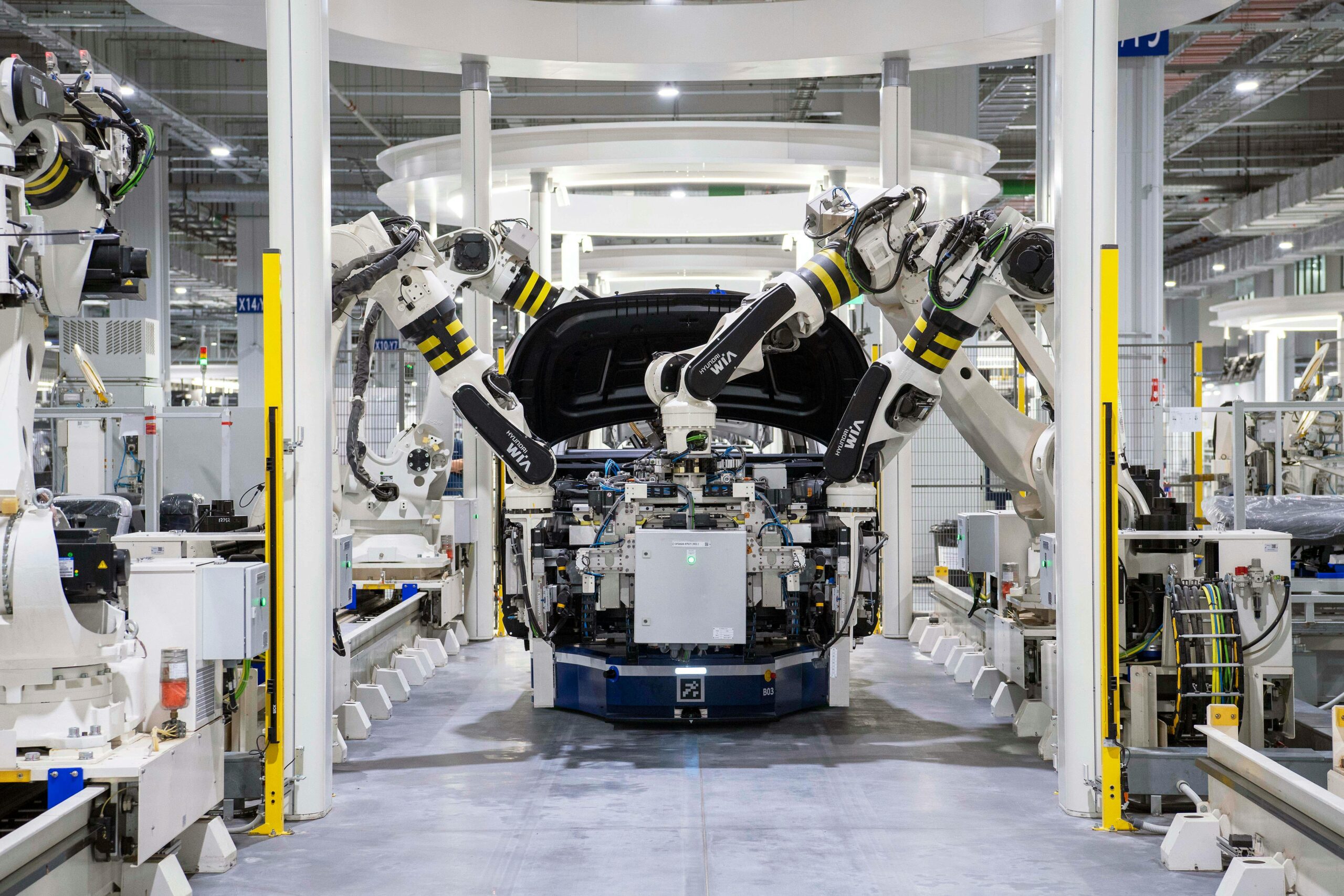
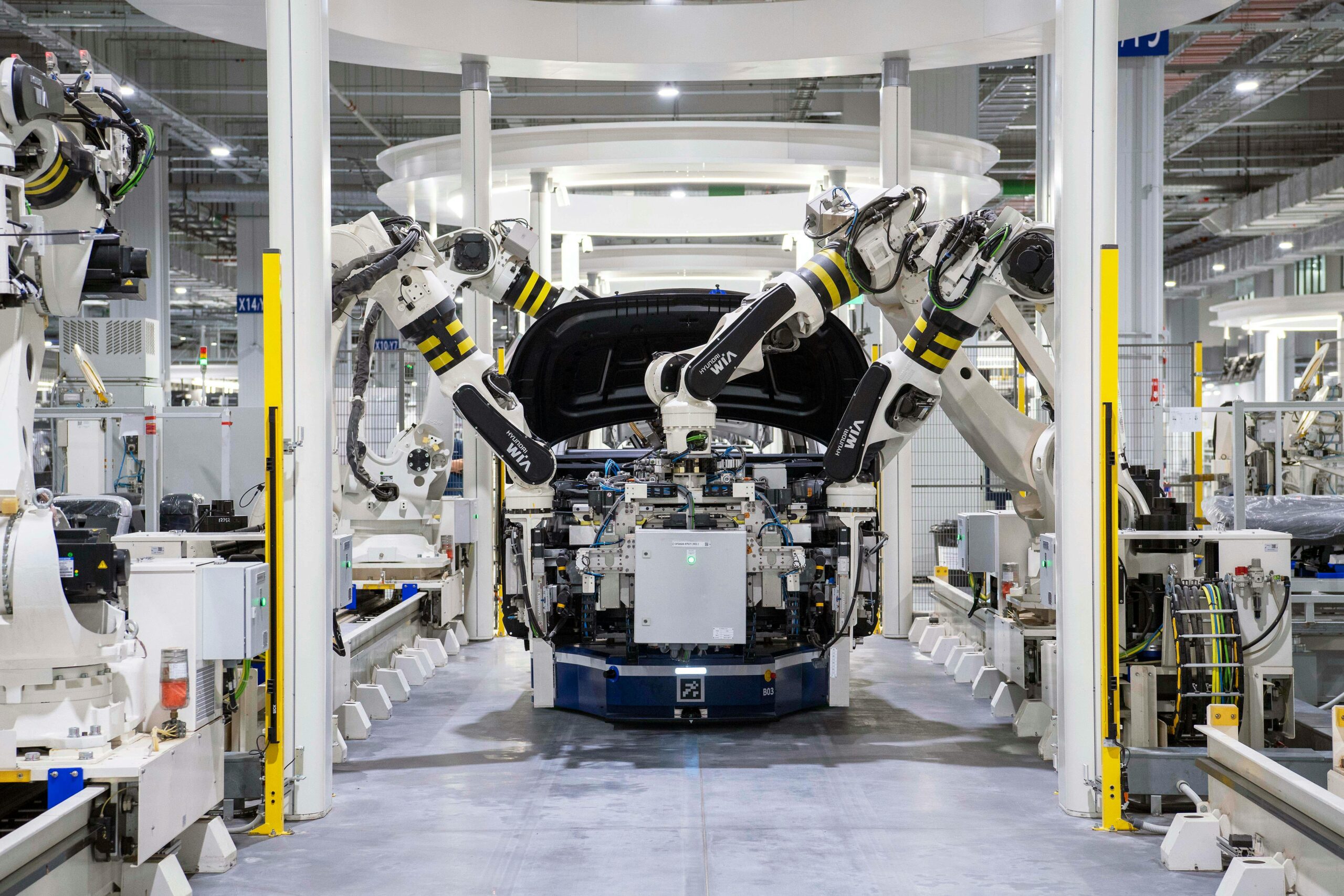
One of the most transformative innovations in last-mile logistics is the proliferation of micro-fulfillment centers. These compact, automated warehouses strategically positioned in urban areas dramatically reduce delivery distances and times. Instead of shipping from massive distribution centers on city outskirts, retailers can now fulfill orders from facilities located within neighborhoods.
Major retailers like Walmart and Target have converted portions of existing stores into mini-fulfillment centers, utilizing sophisticated robotics and AI-driven inventory management. This hybrid model maximizes existing real estate while positioning inventory precisely where demand is highest.
The technology powering these facilities is equally impressive. Automated picking systems, guided by machine learning algorithms, can process orders up to five times faster than manual operations. The result is delivery windows measured in hours rather than days, giving retailers a decisive competitive edge.
The Economics of Proximity
Micro-fulfillment centers fundamentally change the economic equation of last-mile delivery. By reducing the average delivery distance from 15-20 miles to 3-5 miles, companies slash fuel costs, vehicle wear, and delivery time simultaneously. This proximity enables multiple delivery runs per day with smaller, more efficient vehicles.
The model also dramatically improves inventory turnover. Products spend less time in transit and more time available for purchase. For perishable goods like groceries and pharmaceuticals, this proximity is transformative, enabling truly fresh delivery without the extensive cold chain infrastructure traditionally required.
🚴 Alternative Vehicle Fleets: Beyond Traditional Delivery Vans
The diversification of delivery vehicles represents another revolutionary shift in last-mile logistics. Companies are increasingly deploying cargo bikes, electric scooters, and compact electric vehicles optimized for urban environments. These alternatives offer compelling advantages over traditional delivery vans in congested city centers.
Cargo bikes can navigate bike lanes, access pedestrian zones, and park virtually anywhere, eliminating the time drivers spend circling for parking. In dense urban cores, bike couriers frequently outpace van drivers, completing more deliveries per hour while generating zero emissions. Companies like DHL and UPS have deployed hundreds of cargo bikes in European and North American cities, reporting both cost savings and improved delivery metrics.
Electric vehicles are becoming standard for larger deliveries. Amazon’s commitment to deploy 100,000 electric delivery vans represents the scale of this transformation. These vehicles offer lower operating costs, reduced emissions, and increasingly competitive total cost of ownership compared to diesel alternatives.
Autonomous Delivery: The Next Frontier
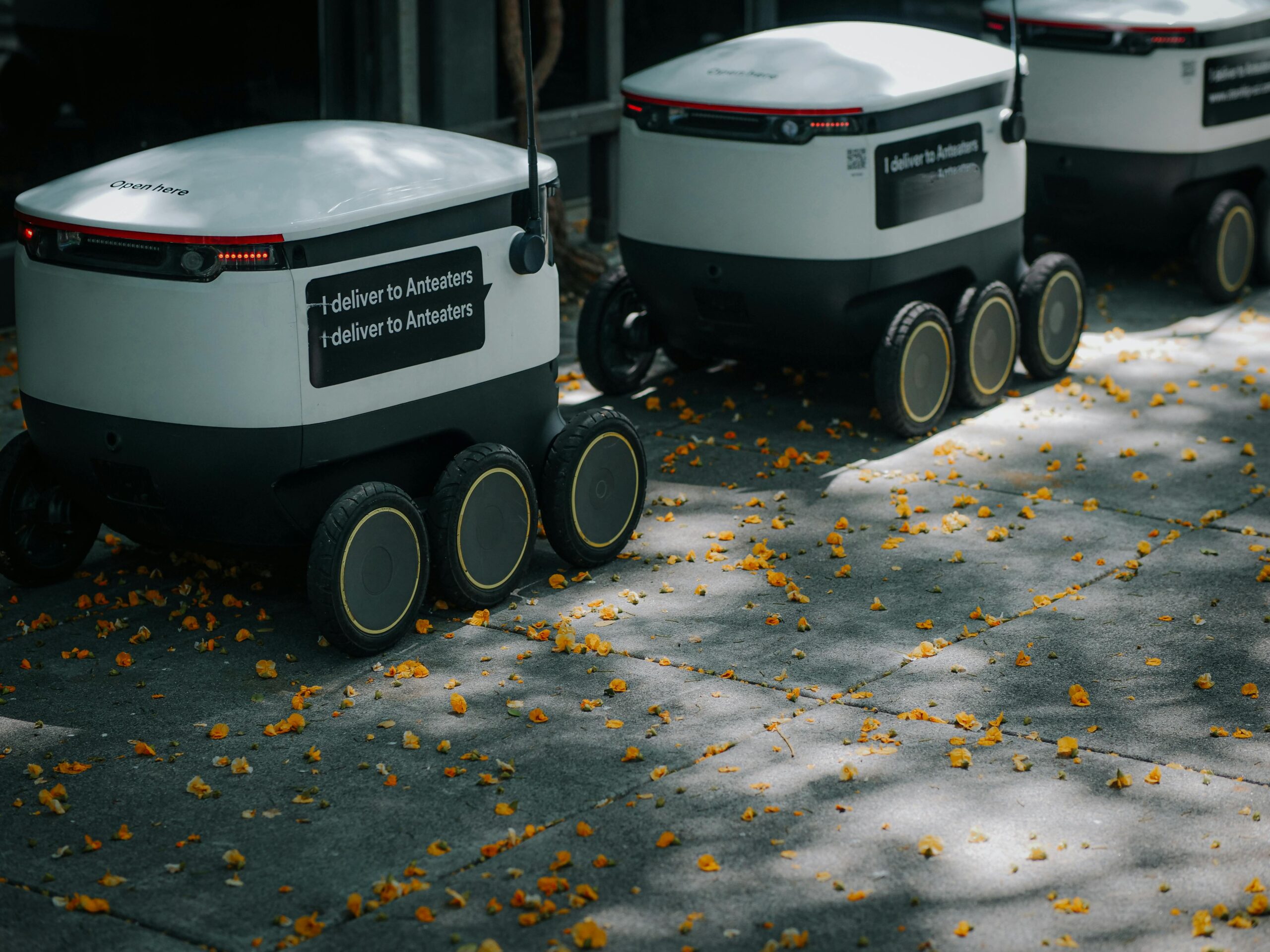
Autonomous delivery vehicles and robots are transitioning from pilot programs to operational reality. Sidewalk robots from companies like Starship Technologies have completed millions of deliveries on college campuses and residential neighborhoods. These small, six-wheeled robots navigate sidewalks independently, securely transporting packages and food orders.
For longer distances, autonomous delivery vans are undergoing extensive testing. These vehicles promise to dramatically reduce labor costs while enabling 24/7 delivery operations. However, regulatory frameworks, safety validation, and public acceptance remain significant hurdles before widespread deployment.
📱 Technology Integration: The Digital Backbone of Modern Delivery
Behind every successful last-mile innovation lies sophisticated technology integration. Route optimization algorithms powered by artificial intelligence continuously analyze traffic patterns, weather conditions, delivery priorities, and vehicle capabilities to generate optimal delivery sequences. These systems can recalculate routes in real-time as conditions change or new orders arrive.
Mobile applications have become essential tools for both delivery personnel and customers. Drivers receive turn-by-turn navigation, digital proof of delivery capabilities, and direct communication channels with customers. Real-time tracking gives customers unprecedented visibility into their deliveries, reducing anxiety and failed delivery attempts.
Machine learning models predict delivery demand with increasing accuracy, enabling proactive positioning of inventory and delivery resources. These predictive capabilities allow companies to pre-stage products in specific neighborhoods before orders are even placed, further compressing delivery windows.
IoT and Connected Logistics
The Internet of Things has transformed delivery vehicles into mobile data centers. Sensors monitor vehicle health, driver behavior, package conditions, and environmental factors. This data stream enables predictive maintenance, quality assurance for sensitive shipments, and continuous optimization of delivery operations.
Connected smart lockers and package receptacles solve the persistent problem of failed deliveries. Customers receive secure delivery to accessible locations even when they’re not home. These systems integrate seamlessly with delivery workflows, automatically updating tracking information and notifying customers when packages arrive.
🤝 Crowdsourced Delivery Networks: Leveraging the Gig Economy
Crowdsourced delivery platforms have democratized last-mile logistics, enabling businesses of all sizes to access flexible delivery capacity. Services like DoorDash, Uber Eats, and Instacart pioneered this model for food delivery, but the concept has expanded to retail, pharmacy, and even automotive parts.
The fundamental advantage of crowdsourced models is elasticity. Businesses can scale delivery capacity up or down instantly based on demand without maintaining permanent delivery fleets. This flexibility is particularly valuable for handling peak periods, seasonal surges, and geographic expansion.
Independent contractors using their own vehicles create a distributed delivery network with minimal infrastructure investment. While this model raises important questions about worker classification and benefits, it has undeniably expanded delivery accessibility and speed for millions of consumers.
Hybrid Delivery Models
Forward-thinking companies are implementing hybrid approaches that combine dedicated fleets with crowdsourced capacity. This strategy provides reliable baseline capacity while maintaining flexibility for demand spikes. Sophisticated dispatching systems automatically route orders to the most efficient delivery option based on real-time conditions.
Some retailers are even enabling store associates to fulfill deliveries during slow periods, maximizing labor utilization while providing delivery flexibility. This omnichannel approach blurs traditional boundaries between retail operations and logistics.
🏢 Collaborative Urban Logistics: Sharing Infrastructure and Resources
A counterintuitive innovation gaining momentum is collaboration between competing companies. Shared delivery infrastructure, consolidated urban distribution centers, and cooperative last-mile networks reduce redundancy and environmental impact while improving economics for all participants.
In several European cities, competing retailers share urban consolidation centers. Goods from multiple companies arrive at these facilities, then get sorted and delivered together using shared vehicles. This approach dramatically reduces the number of delivery vehicles entering city centers, alleviating congestion while cutting costs.
Logistics pooling extends to return operations as well. Shared return points and consolidated reverse logistics networks make returns more convenient for customers while reducing transportation costs and complexity for retailers.
🌍 Sustainable Delivery: Environmental Innovation as Competitive Advantage
Sustainability has evolved from a corporate responsibility checkbox to a core component of last-mile strategy. Consumers increasingly factor environmental impact into purchasing decisions, and cities are implementing regulations that penalize polluting delivery practices.
Carbon-neutral delivery programs are proliferating. Companies offset emissions through verified carbon credits, invest in renewable energy for fulfillment operations, and prioritize low-emission delivery methods. Some retailers now offer customers the choice between standard and eco-friendly delivery options, with many consumers willing to wait slightly longer for greener alternatives.
Packaging innovation complements sustainable delivery. Reusable containers, minimal packaging designs, and compostable materials reduce waste throughout the delivery chain. Some companies operate closed-loop systems where delivery containers are collected during subsequent deliveries and sanitized for reuse.
Regulatory Drivers and Urban Access
Cities worldwide are implementing low-emission zones and delivery time restrictions that fundamentally reshape last-mile operations. London’s Ultra Low Emission Zone, for example, charges fees for polluting vehicles entering central areas. Such regulations accelerate the transition to electric and alternative delivery vehicles.
Progressive cities are also creating infrastructure specifically supporting sustainable delivery. Dedicated loading zones, cargo bike lanes, and urban consolidation centers help efficient, low-emission delivery methods succeed. Companies that proactively adapt to these frameworks gain preferential access and avoid penalties.
💡 Smart Delivery Windows and Customer Communication
Traditional delivery windows of 8 AM to 6 PM no longer satisfy customer expectations. Innovative companies now offer precise delivery windows, sometimes as narrow as 15-30 minutes, giving customers certainty and control over their time.
Dynamic delivery scheduling systems let customers select preferred windows during checkout, with pricing sometimes varying based on demand and operational efficiency. Premium options for evening or weekend delivery generate additional revenue while accommodating diverse customer schedules.
Proactive communication has become standard practice. Customers receive notifications when orders are prepared, dispatched, and approaching delivery. Two-way communication enables real-time delivery modifications, special instructions, and problem resolution before issues escalate.
📊 Data Analytics: Turning Delivery Operations into Competitive Intelligence
The data generated by modern delivery operations provides insights far beyond logistics optimization. Delivery patterns reveal consumer behavior, neighborhood preferences, and demand trends that inform inventory planning, marketing strategies, and business expansion decisions.
Companies analyze failed delivery attempts to identify systemic issues and improve success rates. Delivery time preferences inform staffing and capacity planning. Geographic demand density guides micro-fulfillment center placement and inventory allocation.
Predictive analytics enable proactive customer service. Systems can identify high-risk deliveries based on historical patterns and automatically take preventive actions like additional customer communication or route prioritization.
🔮 The Future Landscape of Last-Mile Delivery
The innovations transforming last-mile delivery today represent only the beginning of this revolution. Drone delivery, while still largely experimental, promises to bypass ground congestion entirely for appropriate package types. Regulatory approval and safety validation continue, but pilot programs demonstrate technical feasibility.
Underground delivery systems are being explored in major cities. Automated tunnels and pneumatic tube networks could move packages beneath congested streets, dramatically improving speed and reliability. While infrastructure investment is substantial, the long-term efficiency gains may justify the expense in ultra-dense urban environments.
Artificial intelligence will continue advancing, eventually enabling fully autonomous logistics networks that optimize themselves continuously without human intervention. These systems will predict demand, position inventory, dispatch deliveries, and resolve exceptions with minimal oversight.
The retailers and logistics providers that master last-mile innovation will define the next era of commerce. Speed, sustainability, flexibility, and customer experience have become inseparable from product quality and price in purchase decisions. Companies treating last-mile delivery as a cost center to minimize rather than a competitive weapon to sharpen will find themselves increasingly disadvantaged.
The transformation of last-mile delivery from operational necessity to strategic differentiator represents one of the most significant shifts in retail and logistics history. As technology advances, urban environments evolve, and consumer expectations continue rising, the pace of innovation will only accelerate. The companies investing aggressively in last-mile capabilities today are building the foundation for sustained competitive advantage tomorrow.